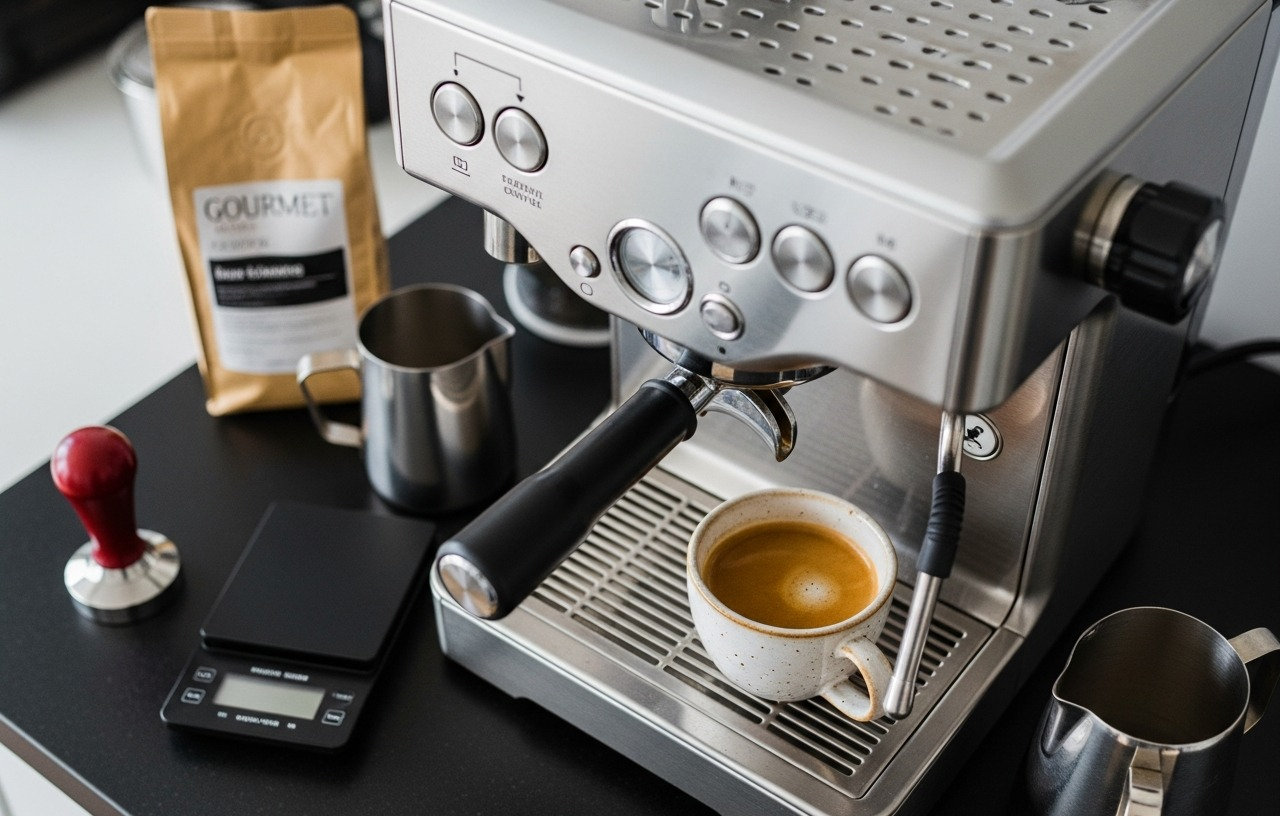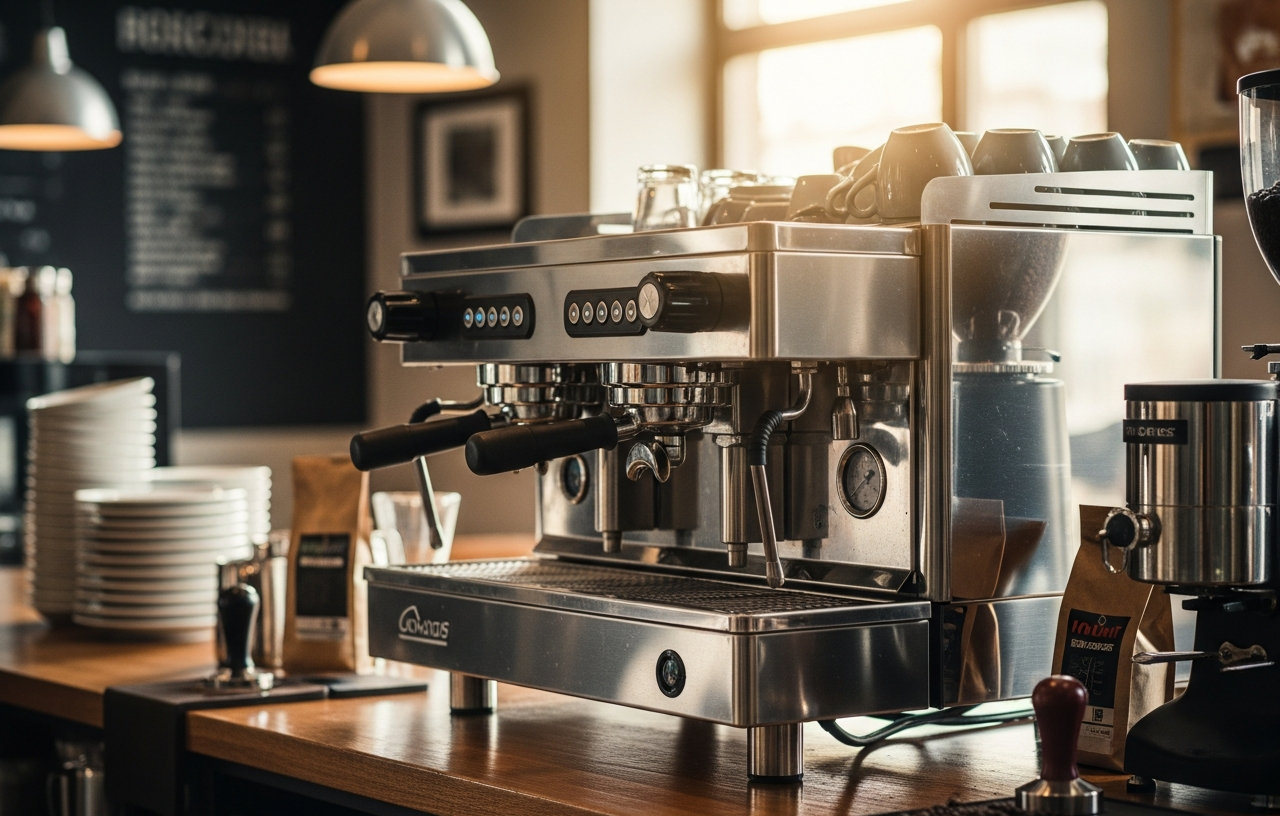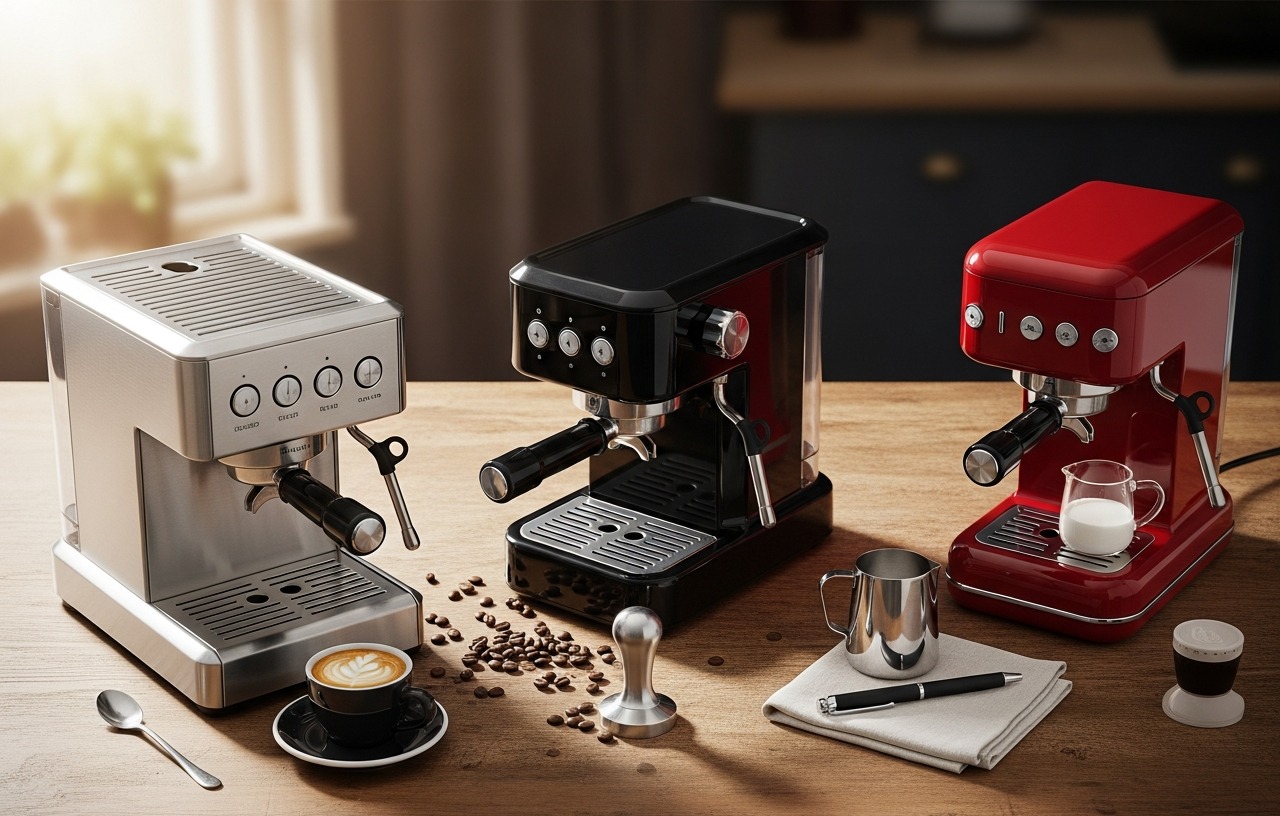
The true joy of a morning espresso begins with understanding your machine. The gap between a basic $100 model and a more advanced $300 espresso machine is significant. Below the $300 mark, machines typically offer pressurized portafilters and thermoblock heating systems designed for user-friendliness. These units focus on delivering consistent, if not perfectly nuanced, espresso shots for home enthusiasts. Beginners can still achieve satisfying lattes and cappuccinos without a substantial financial outlay. These machines are built for convenience and affordability. They often use simpler internal components compared to professional or prosumer models. However, they are perfectly capable of producing enjoyable espresso shots and steamed milk for various coffee drinks.
A machine in this price bracket will almost certainly feature a vibratory pump. This type of pump is cost effective and generates the pressure needed for extraction. Many manufacturers advertise "15 bars" of pressure. This often refers to the maximum pressure the pump can generate, not the actual pressure at the coffee puck. Optimal espresso extraction occurs at around 9 bars of pressure. Entry-level machines achieve this through pressurized portafilters.
The heating system is another key component. Most budget machines use a thermoblock. This system heats water quickly by passing it through a metal block. While fast, thermoblocks can sometimes struggle with temperature stability compared to traditional boilers. Understanding these core components helps in making an informed choice.
Essential Features to Look For
Selecting an entry-level espresso machine requires attention to several key features. These elements directly impact the quality of your coffee and the ease of use.
Pump Pressure
As discussed, many machines advertise 15-bar pumps. While the actual brew pressure at the puck is lower, around 9 bars, this rating indicates the pump's capability. A machine with a robust pump can more reliably deliver consistent pressure. This consistency is vital for proper espresso extraction.
Portafilter Type
Most machines under $300 come with a pressurized portafilter. This design helps beginners by creating artificial back pressure. It forgives inconsistencies in grind size and tamping technique. While it does not produce the same nuanced shots as a non-pressurized portafilter, it makes learning much easier. Some machines might offer both pressurized and non-pressurized baskets. This allows for growth as your skills improve.
Boiler or Thermoblock System
The heating element determines how quickly your machine is ready to brew and steam. Thermoblocks are common in budget machines. They heat up fast, often within 30-60 seconds. However, they can have less thermal mass than a traditional boiler. This can lead to temperature fluctuations between brewing and steaming. Look for models that manage this transition efficiently.
Steam Wand
A steam wand is essential for lattes and cappuccinos. Entry-level machines typically feature a Panarello wand. This is a sleeve that aerates milk for you, making frothing easier for beginners. It produces a coarser foam, suitable for basic milk drinks. More advanced manual wands offer greater control for microfoam, but these are rare in this price range. Make sure the wand is easy to clean.
Water Reservoir Capacity
The size of the water reservoir impacts how often you need to refill it. Larger reservoirs, typically 1.2 to 1.8 liters, mean fewer refills. This is especially convenient if you make multiple drinks or entertain guests. A removable reservoir simplifies refilling and cleaning.
Build Quality and Materials
Entry-level machines often use a mix of plastic and stainless steel. A sturdy plastic casing is acceptable, but pay attention to the portafilter and drip tray. Metal components in these areas suggest better durability. Good build quality contributes to the machine's longevity.
Red Flags and Compromises in Budget Models
While entry-level machines offer great value, they come with certain compromises. Being aware of these helps manage expectations and avoid disappointment.
One common issue is inconsistent temperature stability. Thermoblocks, while fast, can sometimes struggle to maintain a precise temperature throughout the brewing process. This can lead to shots that taste either sour (too cold) or bitter (too hot). Some machines handle this better than others. Researching user reviews can provide insight into real-world temperature performance.
Another area of compromise is the steam wand quality. Panarello wands are easy to use but often produce less-than-ideal milk foam. The steam pressure itself might also be weaker or inconsistent. This makes achieving true microfoam difficult. If milk drinks are a primary goal, look for machines praised for their steaming capabilities, even if basic.
Many components, especially outer casings and drip trays, will be made of plastic. While this keeps costs down, it can feel less premium. It may also affect long term durability if not properly cared for. Be mindful of how frequently you clean these parts.
An integrated grinder is almost nonexistent at this price point. This is not a red flag, but an expectation. You will need a separate grinder. A good burr grinder is a critical investment for quality espresso. Skimping on the grinder will significantly impact your espresso shots, regardless of the machine. Read more about the difference between burr and blade grinders.
Finally, noise levels can vary. Vibratory pumps are inherently louder than rotary pumps found in higher-end machines. Some budget machines might be particularly noisy during operation. This compact machine offers a 4-cup capacity. This feature is ideal for brewing multiple servings of bold, fresh espresso at once. It means less time waiting between drinks when entertaining or preparing coffee for a household.
The integrated milk frother transforms regular milk into creamy foam. This makes it simple to prepare cappuccinos and lattes. Its ease of use is a major draw for those new to home espresso. The durable plastic exterior features a heat-resistant design, adding a layer of safety during operation. This machine focuses on essential functionality without unnecessary complexities, making it a strong contender for beginners.

- This four cup espresso maker brews bold, fresh espresso for multiple servings at once, compact.
- This espresso machine with milk frother transforms regular milk into creamy foam for cappuccinos and.
- This black espresso machine features durable plastic exterior with heat-resistant design that protects.
- This electric espresso machine includes removable drip tray and permanent filter basket that make cleanup.
Chefman CraftBrew Espresso Machine (Best for Control and Features)
The Chefman CraftBrew Espresso Machine offers a step up in control and features for its price point. It allows users to experience the bold, rich flavor of homemade espresso. This machine aims to deliver café-quality results without the need for expensive equipment. It features a 15-bar pump, providing robust pressure for extraction.
The machine includes two shot baskets. This provides flexibility for single or double shots. Users can customize their coffee experience using the touch control panel. This panel makes adjusting settings simple and intuitive. The integrated steam wand allows for creating lattes and cappuccinos. It offers more control than a basic Panarello wand, appealing to those who want to refine their milk frothing skills. Its compact size ensures it fits well in most kitchen setups.

- ENJOY CAFÉ-QUALITY ESPRESSO: Experience the bold, rich flavor of homemade espresso and skip long café.
- This expertly crafted coffee machine takes your morning cup to the next level. With two shot baskets and a.
- Customize your coffee bar with an espresso maker that brews how you like it. Using the touch control panel.
- 1.5-LITER WATER TANK: The spacious reservoir holds enough water to keep brewing espresso for all your.
long term Ownership and Maintenance
Investing in an espresso machine involves more than just the initial purchase price. This includes emptying and cleaning the drip tray daily. The steam wand also needs immediate wiping after each use to prevent milk residue from hardening. Backflushing the group head, if your machine supports it, removes coffee oils and grounds. Following the manufacturer's cleaning instructions helps maintain optimal machine function.
Descaling is another critical maintenance task. Mineral deposits from water can build up inside the machine's heating elements and pipes. This reduces efficiency and can damage components. Most manufacturers recommend descaling every 1-3 months, depending on water hardness and usage. Using filtered water can reduce the frequency needed.
The quality of your water directly impacts both the taste of your espresso and your machine's health. Hard water, rich in minerals, leads to more frequent descaling. Softened or filtered water is always recommended. This protects your machine and improves flavor.
Consider the cost of accessories. While not strictly maintenance, these enhance your experience. A good quality tamper, a milk pitcher, and appropriate cleaning solutions are all valuable additions. Investing in these items upfront can save you frustration later. Learn more about the purpose of a coffee tamper.
Maximizing Your Espresso Experience on a Budget
Even with an entry-level machine, several practices can significantly elevate your home espresso. These tips focus on technique and ingredient quality.
The single most impactful upgrade to your espresso, after the machine itself, is a quality burr grinder. Pre-ground coffee is inconsistent and stales quickly. A consistent, fine grind is essential for proper extraction. Investing in a separate burr grinder, even a manual one, will dramatically improve your results. It allows you to dial in the grind size precisely for your machine and beans. Understand why a burr grinder is superior to a blade grinder for espresso.
Always use fresh coffee beans. Coffee is at its peak flavor within a few weeks of roasting. Buying whole beans from a local roaster and grinding them just before brewing makes a noticeable difference. Avoid buying large quantities that will sit for extended periods.
Tamping technique also matters. Even with a pressurized portafilter, an even and firm tamp helps create a uniform puck. This promotes consistent water flow through the coffee bed. Practice applying even pressure to avoid channeling, which leads to uneven extraction.
Finally, practice. Espresso making is a skill. Do not expect perfect shots from day one. Experiment with grind size, dose, and shot timing. Observe how small adjustments change the flavor. Patience and experimentation are your best tools for consistently excellent espresso.
Choosing the best entry-level espresso machine under $300 in 2026 means balancing features, budget, and expectations. While these machines provide an accessible entry point, understanding their limitations and focusing on essential features will lead to a more satisfying home brewing journey. With the right approach to maintenance and technique, even an affordable machine can deliver delightful espresso drinks.