A commercial espresso machine requires a substantial financial commitment, typically ranging from $3,000 for a basic single-group model to over $30,000 for a high-volume, multi-group super-automatic system. This initial purchase price is only part of the overall cost. Factors like installation, water filtration, accessories, and ongoing maintenance contribute significantly to the total investment in 2024.
Understanding these varied expenses helps businesses and serious home enthusiasts budget accurately. The type of machine, its capacity, brand reputation, and automation level all play a role in the final price tag. Evaluating your specific needs for daily volume and desired features will guide your decision.
New Commercial Espresso Machine Costs
The cost of a brand-new commercial espresso machine varies widely based on its design, capabilities, and the technology it incorporates. Machines are generally categorized by the number of group heads and their level of automation.
Single Group Machines (Low Volume)
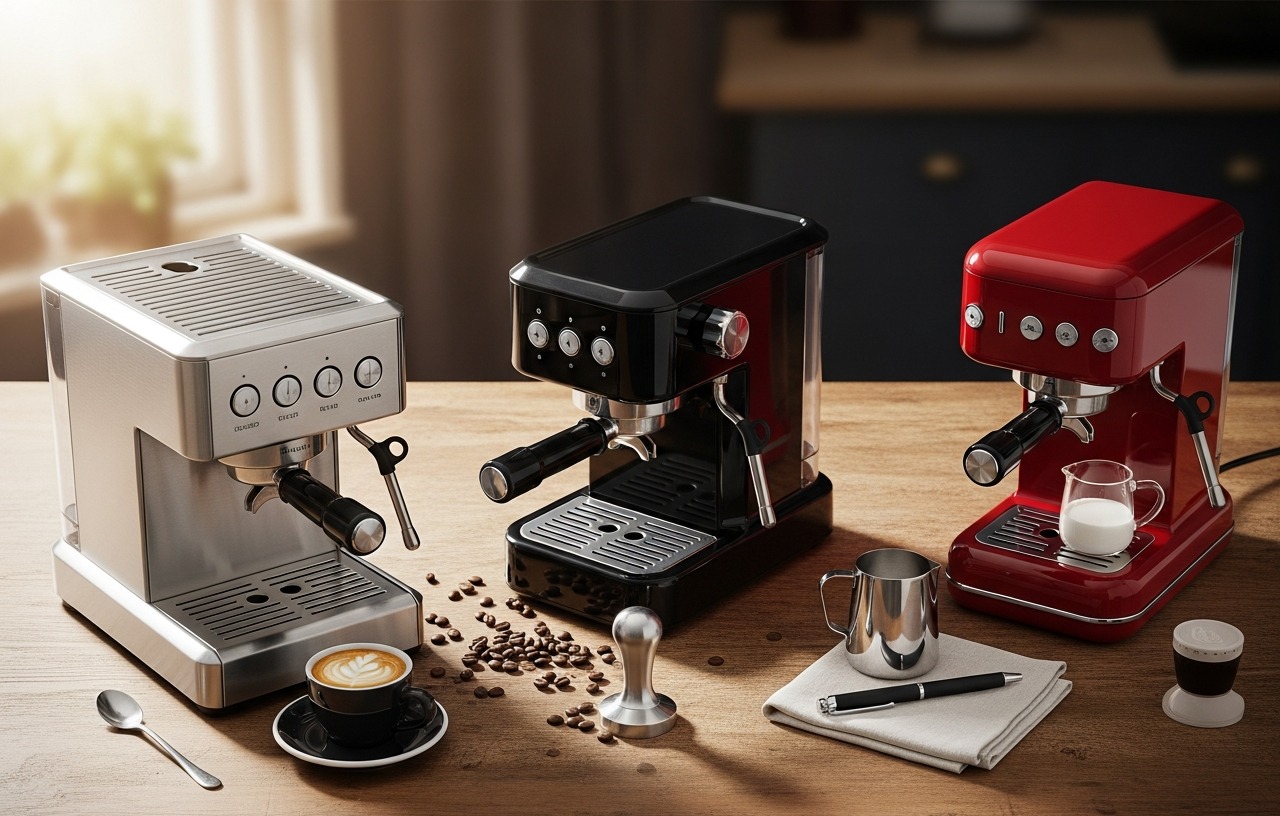
Single group commercial espresso machines are suitable for smaller cafes, restaurants with low coffee demand, or dedicated home setups. They offer excellent control over the extraction process but can only brew one or two shots at a time. These machines often require manual operation and have smaller boilers.
Prices for new single-group commercial espresso machines typically range from $3,000 to $8,000. Brands like La Pavoni, Rancilio, or Nuova Simonelli offer robust options in this category. They are built for durability and consistent performance, even if their output is lower than multi-group systems.
Multi-Group Semi-Automatic (Medium to High Volume)
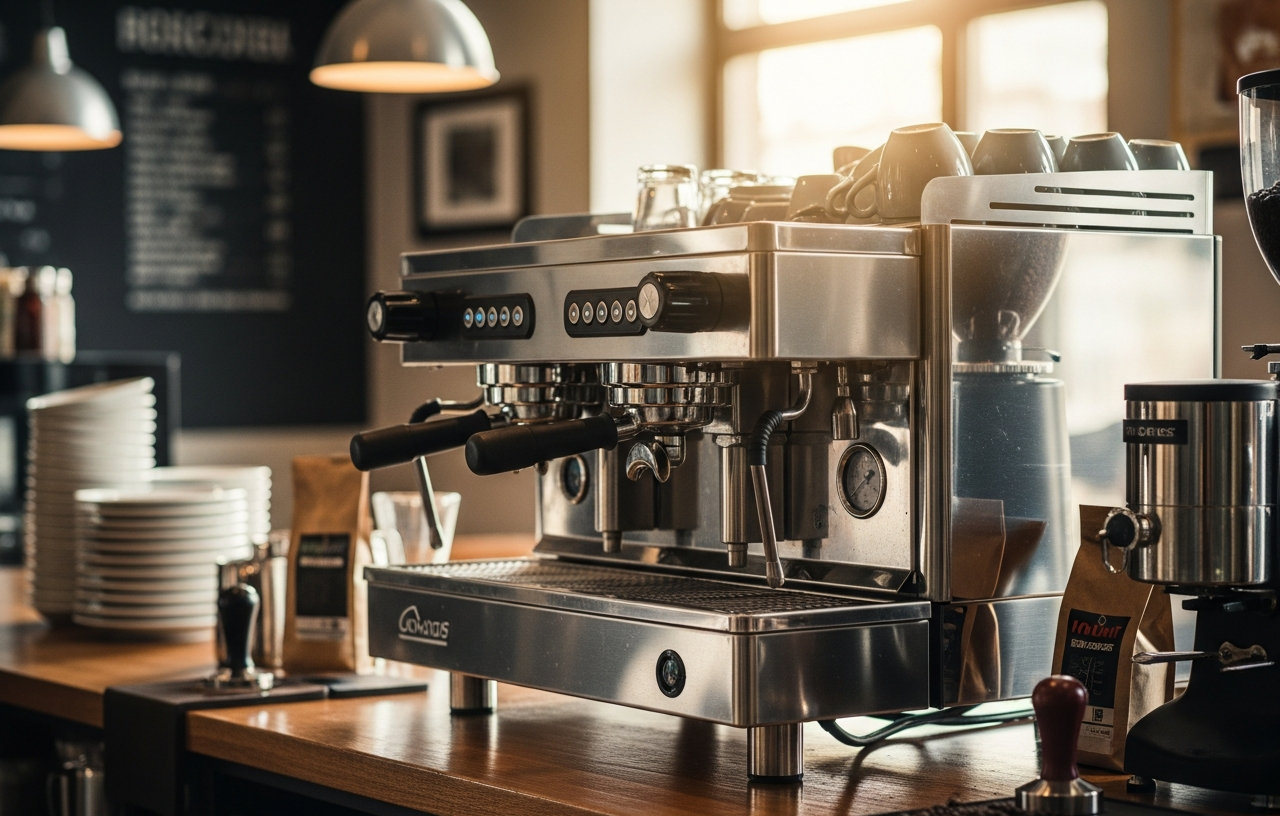
For most cafes and busy establishments, multi-group semi-automatic machines are the standard. These machines feature two, three, or even four group heads, allowing multiple baristas to prepare several espresso shots simultaneously. They offer manual control over shot timing and volume, which experienced baristas prefer for crafting custom beverages.
The price for new multi-group semi-automatic machines ranges from $8,000 to $20,000. Popular brands in this segment include La Marzocco, Synesso, Faema, and Astoria. The higher end of this range typically includes advanced features like PID temperature control, volumetric dosing, and larger boiler capacities for consistent steam pressure during peak hours.
Super-Automatic Machines (High Volume, Ease of Use)
Super-automatic commercial espresso machines handle almost every step of the coffee-making process, from grinding beans to frothing milk and dispensing the beverage. They are ideal for environments where speed, consistency, and minimal barista training are priorities, such as offices, hotels, or self-service stations.
New super-automatic commercial machines can cost anywhere from $10,000 to over $30,000. These machines often include built-in grinders, automatic milk systems, and programmable touchscreens. Brands like Franke, WMF, and Jura produce high end super-automatic models. While they offer convenience, the lack of manual control might not appeal to every coffee connoisseur.
Used and Refurbished Commercial Espresso Machines
Opting for a used or refurbished commercial espresso machine can provide significant cost savings. These machines are typically sourced from businesses that have closed, upgraded equipment, or require minor repairs.
Used machines can be found for $1,500 to $10,000, depending on their age, condition, and original retail price. Always inspect a used machine thoroughly for signs of wear, rust, or leaks.
Refurbished machines usually come from reputable dealers who have inspected, repaired, and often replaced worn components. Refurbished models generally fall in the $3,000 to $15,000 range, representing a middle ground between new and purely used options.
When considering a used or refurbished machine, verify the availability of parts and service for that specific model. Older, discontinued models might be challenging to maintain.
Beyond the Purchase Price: Additional Costs
The cost of the espresso machine itself is only the starting point. Several other essential expenses contribute to the total investment required to get a commercial setup fully operational and maintained.
Installation Costs
Commercial espresso machines require professional installation. This typically involves plumbing for water lines and drainage, as well as electrical work to meet specific power requirements. Improper installation can lead to leaks, electrical hazards, or damage to the machine.
A qualified plumber and electrician might charge between $500 and $2,000 for a standard installation, depending on the complexity of the setup and local labor rates. This includes connecting the water supply, setting up the drain, and ensuring the electrical circuit can handle the machine's power draw.
Water Filtration Systems
high quality water is essential for both the taste of espresso and the longevity of the machine. Hard water, rich in minerals, can lead to scale buildup in boilers and pipes, causing expensive damage over time. A robust water filtration system protects your investment.
A suitable commercial water filtration system can cost from $300 to $1,500, depending on its capacity and filtration stages. Regular filter cartridge replacements, typically costing $50 to $200 annually, are also necessary to maintain water quality and machine health. Neglecting water filtration almost guarantees premature machine failure.
Grinders and Accessories
A commercial espresso machine is incomplete without a high quality grinder. The grinder is arguably as important as the espresso machine itself for producing excellent espresso. Commercial grinders are built for durability and consistent performance under heavy use.
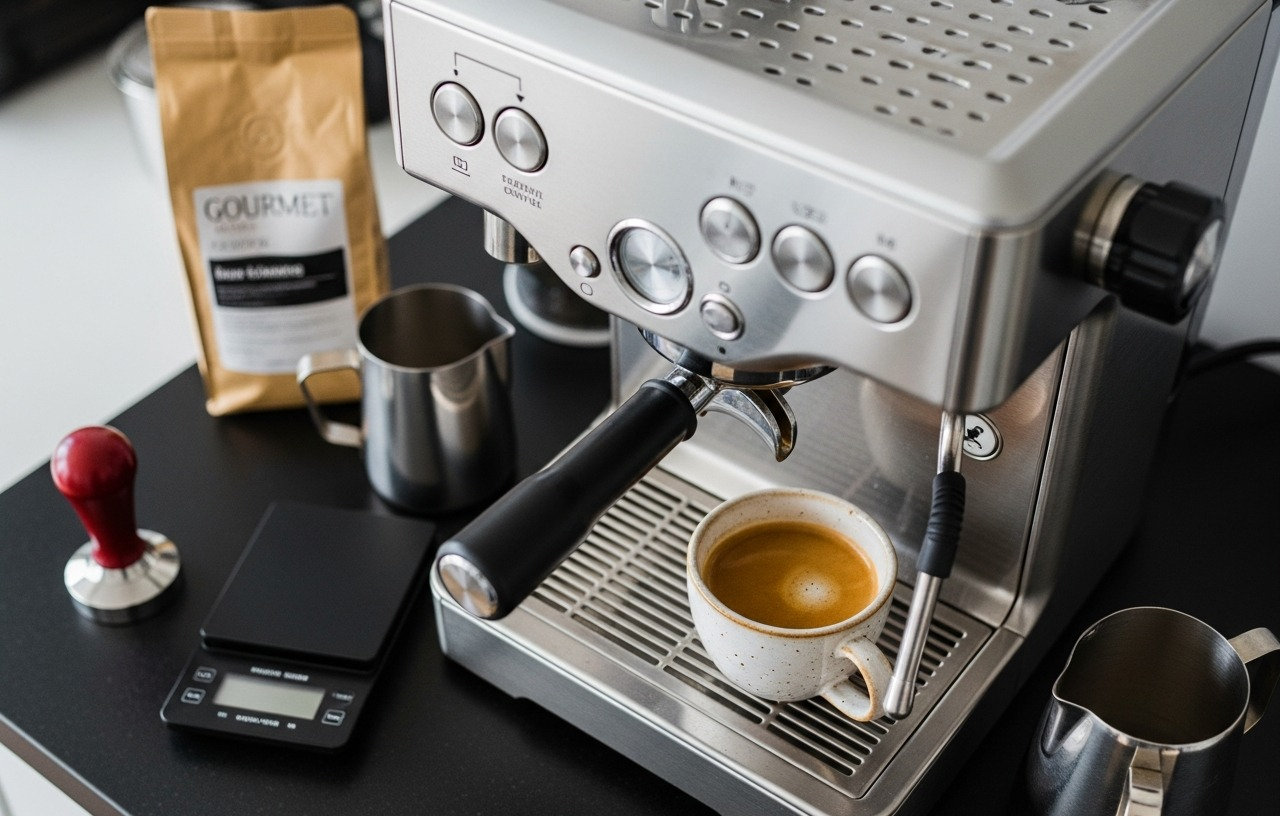
Dedicated commercial espresso grinders range from $500 for entry-level models to $3,000 or more for high end, on-demand grinders with precision burrs and dose accuracy. Essential accessories include tampers ($30-100), milk frothing pitchers ($15-50 each), knock boxes ($50-150), and cleaning supplies ($20-50 monthly).
Ongoing Maintenance and Repairs
Commercial espresso machines are workhorses, and like any complex machinery, they require regular maintenance and occasional repairs. Proactive maintenance extends the machine's life and prevents costly breakdowns.
A common issue in commercial machines is a faulty heating element, responsible for heating the boiler water. The part itself can cost between $100 and $300 if purchased online from a parts distributor. Buying from a local specialized supplier might increase the part cost to $150 to $400.
For a professional repair technician, labor rates typically range from $150 to $400 per hour. Replacing a heating element can take 2 to 4 hours, depending on the machine's design and how easily the component is accessed. This means a professional repair for a heating element could cost anywhere from $450 (2 hours labor + $150 part) to $2,000 (4 hours labor + $400 part), excluding any travel fees.
A skilled individual with a strong mechanical aptitude and electrical knowledge might attempt this repair. Necessary tools include a multimeter for diagnosis, various wrenches, and a screwdriver set. However, working with commercial espresso machines involves high voltage electricity and pressurized hot water. The risk of electrical shock, water damage, or voiding a warranty makes professional service the safer and often more prudent choice for most operators. DIY repair makes financial sense primarily for older machines out of warranty, where the repair cost from a professional approaches or exceeds 50% of buying a new entry-level commercial machine.
Preventative maintenance is a much more cost effective strategy. Regular descaling, using a commercial descaling solution ($10-25 per bottle), removes mineral buildup. Daily backflushing with a blind filter ($5-15 for the disc) and specialized cleaning detergent ($15-30 per container) keeps group heads clear. Some businesses opt for annual service contracts, which can cost $500 to $2,000 annually, covering regular inspections and minor adjustments.
Total Commercial Espresso Machine Cost Outlook
When considering the total cost of owning a commercial espresso machine, it is essential to look beyond the initial purchase price. A new mid-range semi-automatic two-group machine might cost $12,000. Adding a high quality grinder ($1,500), a robust water filtration system ($700), professional installation ($1,000), and a year's worth of accessories and cleaning supplies ($500) brings the first-year investment to approximately $15,700. This figure does not include ongoing electricity costs, water usage, or potential repairs.
For a super-automatic system, the initial investment can easily exceed $20,000 to $35,000, even if it reduces labor costs in the long run. Understanding this comprehensive cost structure allows for more accurate budgeting and business planning.
Making the Right Investment Decision
Choosing the right commercial espresso machine involves balancing your budget with your operational needs. Assess your expected daily volume, the skill level of your baristas, and the importance of speed versus craft in your establishment. For high-volume cafes, investing in a durable, multi-group machine with advanced features pays off in efficiency and consistent quality. Smaller operations or those with limited space might find a single-group or even a high end home espresso machine sufficient.
Consider the long term costs of ownership, including maintenance, parts availability, and energy consumption. A slightly more expensive machine with a reputation for reliability and readily available service can be more economical over its lifespan than a cheaper model that frequently breaks down. Researching trusted brands and reading reviews from other business owners provides valuable insight.
For those exploring options for home use, the cost landscape is quite different. How Much Does a Good Espresso Machine Really Cost? offers a breakdown of home-use expenses. For a broader perspective on different types and features, consult a buying guide. Best Espresso Machines: A Complete Buying Guide can help clarify features and types.