Identifying the Source of Your Gaggia Classic Pro Group Head Leaks
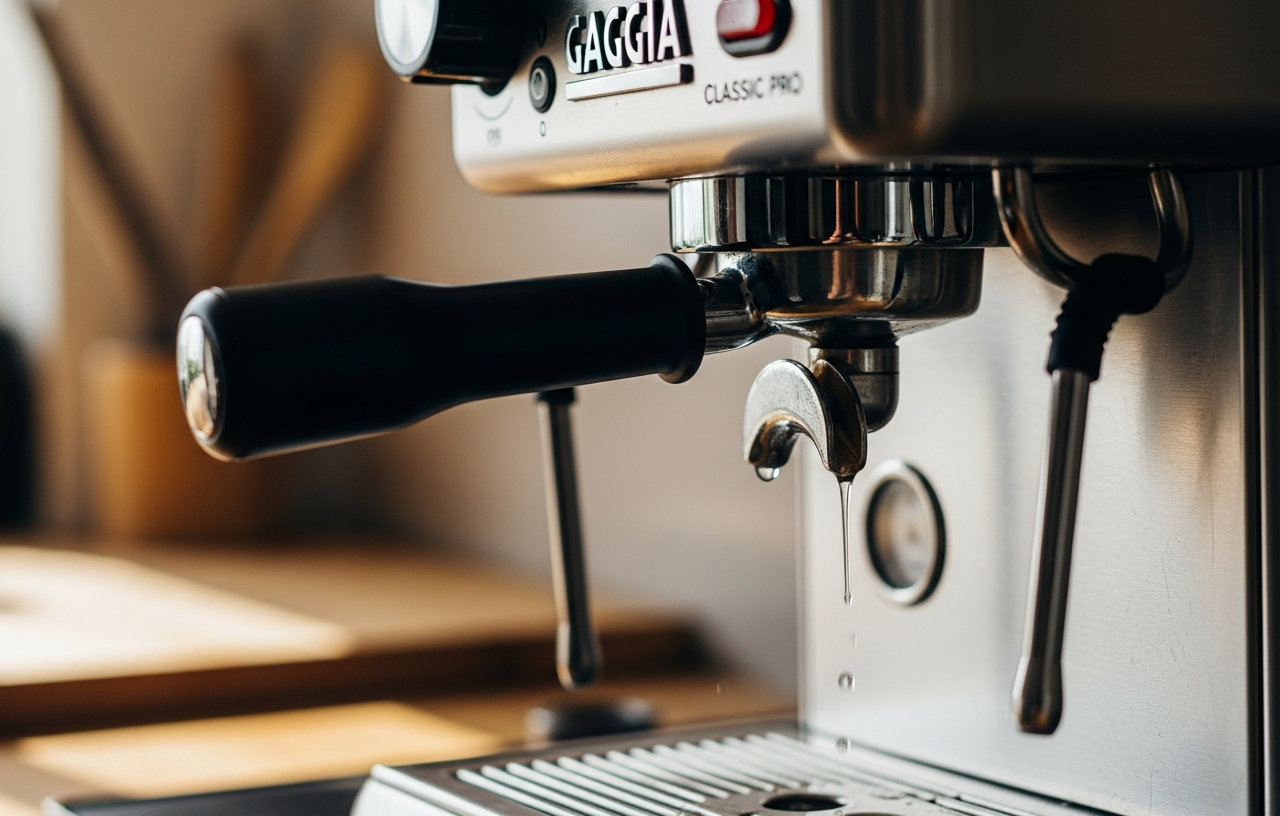
The Gaggia Classic Pro, a beloved machine among home baristas, delivers consistent espresso. However, a common frustration arises when water leaks from the group head. This issue not only creates a mess but also affects extraction quality. Understanding the source of the leak is the first step to fixing it.
Leaks from an espresso machine can manifest in several ways. You might notice water dripping from around the portafilter during brewing, a constant drip from the group head even after a shot, or water pooling under the machine. Pinpointing the exact location of the leak helps diagnose the underlying problem. Most group head leaks are relatively simple to resolve with basic tools and replacement parts.
Before diving into fixes, observe your machine carefully. When does the leak occur? Is it during pre-infusion, mid-extraction, or after the shot is complete? Does the water come from directly around the portafilter, or from higher up in the group head assembly? These details provide important clues. Often, what appears to be a major problem is a minor component failure, easily remedied at home.

- Complete rebuild kit for Gaggia Classic & Classic Pro. Includes essential O-rings, grouphead gasket.
- Premium materials made in Europe, South Korea, and Japan. Viton, EPDM, PTFE, silicone seals and.
- Precision-engineered aftermarket parts matching original Gaggia diagrams for easy identification and.
- High-temperature performance from to 20°C to 200°C. Viton and silicone seals provide strong heat resistance.
Common Causes and DIY Fixes for a Leaking Gaggia Classic Pro Group Head
Worn Group Head Gasket
The most frequent culprit behind a Gaggia Classic Pro leaking grouphead is a worn-out group head gasket. This rubber or silicone ring creates a seal between the portafilter and the group head. Over time, heat, pressure, and repeated use cause the gasket to harden, crack, or compress, losing its sealing ability. This is particularly true for older rubber gaskets, which become brittle more quickly than modern silicone versions.
Signs of a worn gasket include water seeping or spraying from around the edges of your portafilter during extraction. You might also find it harder to lock the portafilter into the group head, or it might lock in further than it used to, indicating the gasket has compressed. Replacing this gasket is a routine maintenance task and a simple DIY repair.
To replace the gasket, make sure the machine is cool and unplugged. Remove the portafilter. Use a flathead screwdriver or a pick tool to carefully pry out the old gasket. It might be stiff and break into pieces. Clean any coffee residue from the gasket groove. Insert the new gasket, ensuring it sits flush within the groove. Some gaskets require a small amount of food-grade lubricant to ease installation. A high quality replacement, such as the Gaggia Classic Gasket & O-Ring Repair Kit for Gaggia Classic/Classic Pro Espresso Machine, includes durable Viton silicone seals designed for longevity and a superior seal. These kits often contain other essential O-rings, allowing for a more complete machine refresh. Parts for a group head gasket typically cost between $10 and $25.

- Gasket repair set fit for Gaggia Classic, Baby, Evolution, Twin Espresso Coffee, Deluxe and etc, used for.
- Sealing O-rings service kit include 1 x boiler gasket,1 x silicone grouphead gasket, 1 x steam tap boiler.
- Our gasket replacement accessories is made of high quality silicone, especially the red gaskets are made.
- Our seal gasket repair accessories help to ensure secure connection of parts and prevent leakage, offer a.

- Cafelat Gasket made for Gaggia manual espresso machines. Fits all Classic models: Evo, Pro, Limited, other.
- Cafelat Gasket - 8.5mm made from food grade FDA silicone. Unlike original rubber gaskets, Cafelat gaskets.
- Included: Silicone Grease 111. Safe, Tasteless, Odorless, Premium Quality. Safe for food and your espresso.
- Silicone gaskets require silicone grease, other type of lubricant may damage the silicone.
Clogged Shower Screen and Dispersion Plate
Another common reason for water leaking from the group head, or uneven water distribution, is a clogged shower screen and dispersion plate. Coffee grounds, oils, and mineral deposits can accumulate on and behind the shower screen, blocking water flow. This blockage can create back pressure, causing water to find alternative escape routes, often around the portafilter, or spray out erratically.
If you notice water spraying unevenly from the group head, or if the leak occurs despite a seemingly good gasket, a thorough cleaning is likely needed. The shower screen is the perforated metal disc visible at the bottom of the group head. Behind it lies the dispersion plate, which helps distribute water evenly.
To clean these components, ensure the machine is off and cool. Unscrew the single screw holding the shower screen in place. Carefully remove the shower screen and the dispersion plate (which might be a separate piece or integrated). Soak these parts in a solution of warm water and espresso machine cleaner for about 30 minutes. Use a brush to scrub away any stubborn coffee residue. Rinse thoroughly and reassemble. This simple cleaning can significantly improve water flow and eliminate many minor leaks. Make sure to clean the group head interior as well, using a damp cloth to wipe away any visible grime. Performing a regular backflush with a blind portafilter basket and espresso machine cleaner also helps keep these components clear.
Loose or Damaged Shower Screen Screw
A less common, but still possible, cause of a leak directly from the center of the group head is a loose or damaged shower screen screw. The screw holds the shower screen and dispersion plate in place. If this screw is not tight enough, or if its washer is damaged, water can seep through the screw hole.
Check the tightness of the shower screen screw. Do not overtighten, as this can strip the threads. If tightening does not stop the leak, remove the screw and inspect it and its washer for any signs of damage or wear. Replacing a damaged screw or adding a small, food-grade washer can often solve this specific type of leak. Replacement screws are inexpensive, usually under $5.
Over-tightening the Portafilter
While not a direct cause of a leak, consistently over-tightening the portafilter into the group head can accelerate gasket wear. Applying excessive force to lock in the portafilter compresses the group head gasket more than necessary, leading to premature hardening and cracking. This practice shortens the lifespan of the gasket, making leaks more likely sooner.
Instead, aim for a firm, but not overly forceful, lock. The portafilter should feel secure and stop anywhere between the 5 o'clock and 7 o'clock position (assuming 6 o'clock is straight forward). If you find yourself consistently needing to apply significant force, it is a strong indicator that your group head gasket is already worn and needs replacement. Adopting proper portafilter insertion technique helps preserve your new gasket and prevents future leaks.
Less Common Leaks Requiring Deeper Investigation
Boiler Seal Issues
If water is leaking from under the group head assembly itself, rather than just around the portafilter, the problem might stem from the boiler seals. The Gaggia Classic Pro has several O-rings and gaskets that seal the boiler components, including the heating element, thermostat, and the connection to the group head. Over time, these seals can degrade, leading to internal leaks that eventually manifest externally.
Diagnosing a boiler leak often requires opening the machine's casing. This process should only be attempted by individuals comfortable with basic electronics and mechanical repairs. Once the casing is removed (always with the machine unplugged), look for signs of water stains or active dripping around the boiler assembly. The most common boiler leak points are the heating element gasket or the O-rings connecting the boiler to the group head assembly. Replacing these gaskets is a more involved task than a simple group head gasket change. Boiler gasket and O-ring sets can cost between $20 and $40. If you are not confident, consider consulting a professional espresso machine repair technician. For more general leaks, see our guide on Espresso Machine Dripping Water? Common Causes and Fixes.
Solenoid Valve Dripping
A very specific type of leak from the group head is a persistent drip after you have finished pulling a shot and released the brew button. This usually points to an issue with the 3-way solenoid valve. The solenoid valve is responsible for releasing pressure from the portafilter once brewing stops, drying out the puck. If this valve is faulty, clogged with scale, or has a worn internal seal, it may not close completely, allowing water to continue dripping from the group head.
This issue is less common than gasket problems but can be frustrating. Sometimes, a thorough descaling can clear minor blockages in the solenoid valve. If descaling does not resolve the drip, the solenoid valve itself may need to be disassembled and cleaned, or completely replaced. Replacing a solenoid valve is a more advanced repair, with parts costing between $30 and $70. Given the complexity and potential for electrical work, calling a professional is often advisable for this particular problem.
Pump or Hose Connection Leaks
While typically not leading to direct group head leaks, a leak from the pump or internal hose connections could eventually cause water to pool under the machine or even appear near the group head if it travels along internal components. The Gaggia Classic Pro uses a vibratory pump and a series of silicone or PTFE hoses to route water from the reservoir to the boiler and then to the group head. Over time, hose clamps can loosen, hoses can crack, or connections can become compromised.
If you suspect a hose or pump leak, you will need to open the machine's casing (again, with the machine unplugged and cool). Carefully inspect all hose connections and the pump itself for any signs of water. Leaks here are usually visible as small drips or wet spots. Tightening hose clamps or replacing a damaged hose are relatively simple once the machine is open. Replacement hoses are inexpensive, typically $5-$15, but accessing them can be challenging. A new vibratory pump, if needed, costs around $40-$70. These issues are less common for a direct group head leak but are worth checking if other common causes have been ruled out and water is pooling.
Preventing Future Leaks Through Regular Maintenance
Preventative maintenance is the best way to avoid most leaks and prolong the life of your Gaggia Classic Pro. Consistent cleaning and routine part replacement keep your machine operating at its best.
- Regular Backflushing: Backflushing with a blind basket and an espresso machine cleaner, such as Puly Caff, removes built-up coffee oils and grounds from the group head, shower screen, and 3-way solenoid valve. Perform this weekly for moderate use, or bi-weekly for heavy use.
- Group Head Cleaning: Beyond backflushing, occasionally remove the shower screen and dispersion plate for a thorough scrubbing. This prevents the accumulation of stubborn residue that can impede water flow and degrade gaskets.
- Descaling: Mineral scale buildup can clog internal components, including the solenoid valve and boiler passages, potentially leading to leaks or reduced performance. Descale your machine every 2-3 months, depending on your water hardness, using a dedicated espresso machine descaler. Follow the manufacturer's instructions carefully.
- Gasket Replacement: Even without visible leaks, plan to replace your group head gasket annually. Proactive replacement prevents leaks before they start and ensures a consistent seal for optimal espresso extraction. Silicone gaskets generally last longer than rubber ones.
- Water Quality: Using filtered water reduces mineral buildup, extending the time between descaling cycles and reducing the risk of scale-related leaks.
A well maintained machine not only performs better but also lasts longer, making your investment worthwhile.