The cost to repair an espresso machine generally ranges from $20 for a simple DIY O-ring replacement to over $500 for complex internal component failures requiring professional service. A common pump replacement, for instance, might cost $40-$80 for the part if you do it yourself, or between $150-$300 with a technician's labor. Understanding these ranges helps you decide between repairing your current machine and purchasing a new one.
Espresso machines are intricate devices. They combine water, heat, and pressure to create your morning shot. When any of these elements falters, your daily routine can be interrupted. Knowing the potential costs associated with different repairs allows for an informed decision.
Common Espresso Machine Problems and Their Repair Costs
Many issues can arise with an espresso machine. Some are minor and easily addressed by a home user, while others demand specialized tools and expertise. Here, we break down the costs for the most frequent problems.
Leaks and Drips
A leaking espresso machine is a common frustration. Water might drip from the group head, portafilter, steam wand, or even from within the machine itself. These leaks often signal worn components or loose connections.
- Causes: Worn O-rings, degraded gaskets, loose fittings, cracked water lines, or a failing pump.
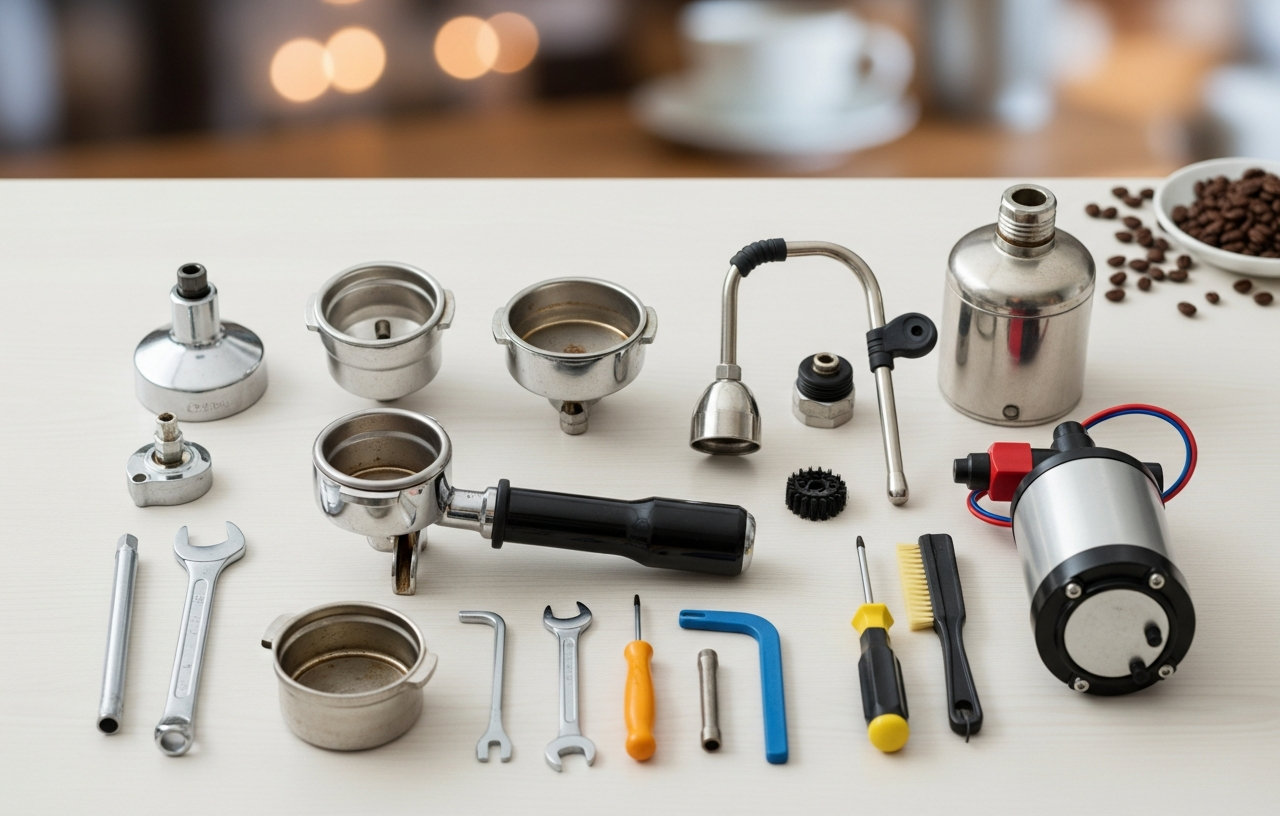
- DIY Cost: A set of replacement O-rings or gaskets typically costs $5-$30. If the pump is the culprit, a new one can be purchased for $30-$80. Basic tools, such as screwdrivers and pliers, are usually all you need. You will also need to invest your time in disassembly and reassembly.
- Professional Cost: A technician's diagnostic fee often starts at $75-$100. Labor for a leak repair, plus the cost of parts, typically runs $150-$250. This can vary based on the severity and location of the leak.
- When to DIY: If the leak is visible and easily accessible, such as a worn group head gasket or a loose hose connection. These repairs often come with clear instructions from the manufacturer or online communities.
- When to Call a Pro: If the leak is internal, involves electrical components, or requires specialized tools for deep disassembly. Water and electricity are a dangerous combination.
No Water Flow or Low Pressure
If your espresso machine struggles to produce coffee, or if the flow is weak and inconsistent, the problem usually lies with water delivery or pressure generation. This impacts extraction significantly.
- Causes: Scale buildup in the boiler or lines, clogged internal tubes, a failing pump, or a blocked shower screen. Hard water is a primary contributor to scale.
- DIY Cost: Descaling solution costs $10-$20. Cleaning tools for the shower screen are usually under $10. A new pump, if needed, is $30-$80. Regular descaling is a preventative measure that costs very little.
- Professional Cost: A thorough descaling service can cost $80-$150. A pump replacement by a technician will likely be in the $150-$300 range, covering labor and the part.
- When to DIY: Regular descaling is a standard maintenance task every owner should perform. Cleaning the group head and shower screen is also simple. Replacing a worn pump is manageable for those with some mechanical aptitude.
- When to Call a Pro: Persistent clogs after multiple descaling attempts, internal blockages that cannot be reached, or if the issue seems electrical with the pump or pressure sensor.
No Heat or Cold Espresso
An espresso machine that produces only cold or lukewarm coffee defeats its purpose. This issue points directly to the machine's heating system.
- Causes: A faulty heating element, a malfunctioning thermoblock, a broken thermostat, or a defective temperature sensor.
- DIY Cost: A heating element can cost $50-$120. A thermoblock typically ranges from $80-$200. This repair is significantly more complex and carries electrical risks. A multimeter (around $20-$50) can help diagnose, but actual replacement involves working with high voltage.
- Professional Cost: A diagnostic fee applies, usually $75-$150. Labor for heating system repairs can be $150-$300, plus the cost of often expensive parts. The total could easily reach $250-$500 or more, making it one of the costlier repairs.
- When to DIY: Only for individuals with strong electrical repair experience and a deep understanding of safety protocols. Serious injury or further damage is a real possibility.
- When to Call a Pro: Almost always. Due to the high voltage and complex internal wiring, this repair is best left to certified technicians.
Grinder Issues (Integrated Grinders)
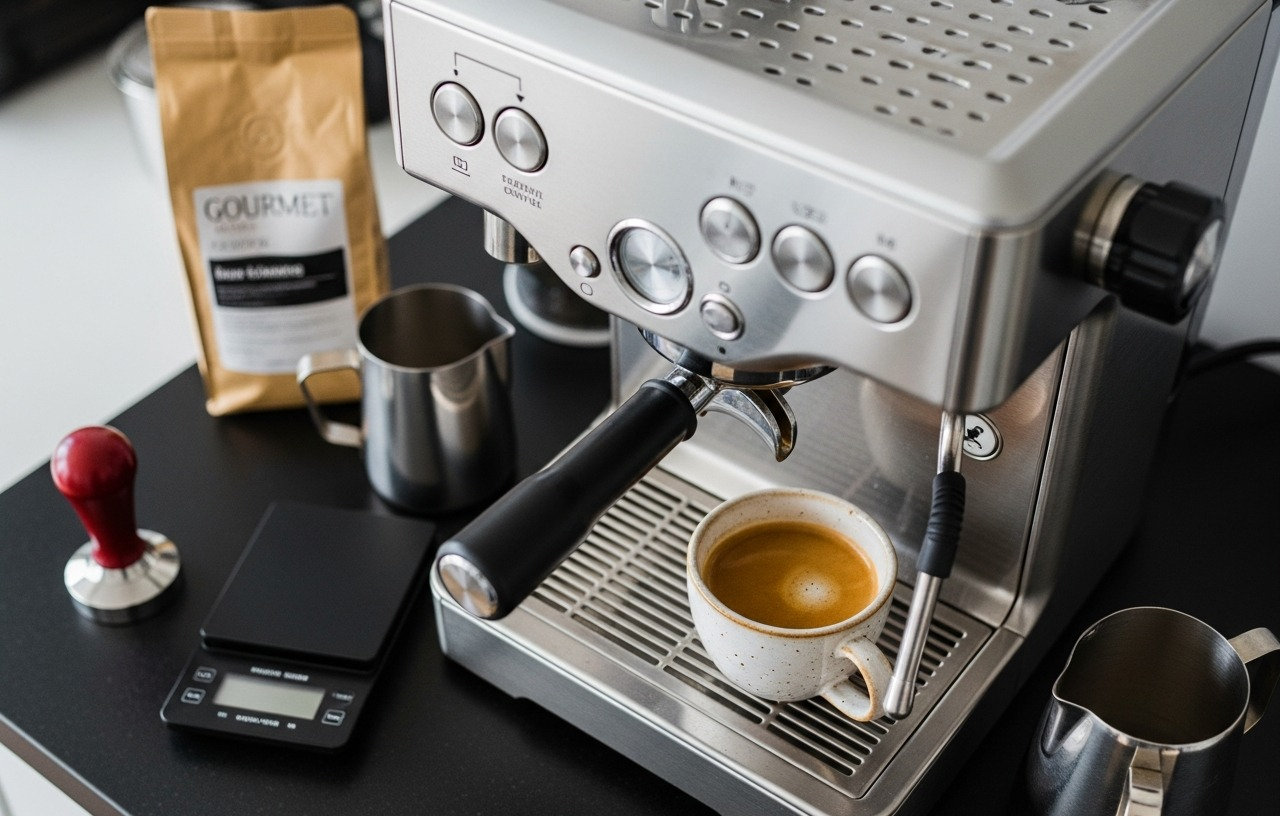
Many home espresso machines, such as the popular Breville Barista Express, feature integrated grinders. When the grinder misbehaves, it directly impacts shot quality.
- Causes: Worn burrs, clogs from oily beans or fine grinds, or motor issues. Inconsistent grind size is a common symptom.
- DIY Cost: New burrs can cost $20-$60. Cleaning tools are minimal, often just a brush and a vacuum. This is a common maintenance task.
- Professional Cost: Grinder repair labor plus parts can be $100-$200. This depends on the complexity of the grinder mechanism and the specific part needed.
- When to DIY: Replacing burrs is often a manageable task with manufacturer instructions. Addressing clogs from old coffee grounds is also DIY-friendly and should be part of regular cleaning.
- When to Call a Pro: If the grinder motor is failing, or if there are complex internal blockages that cannot be cleared without extensive disassembly.
Breville Barista Express Grinding Too Coarse: Fixes & Adjustments
DIY vs. Professional Repair: Making the Financial Decision
Deciding whether to attempt a repair yourself or hire a professional technician involves weighing costs, risks, and your own skill set. There are clear situations where one option is superior to the other.
When DIY Makes Financial Sense
Taking on a repair yourself can save substantial labor costs. This approach is best for certain types of issues and individuals.
- Low-Cost Parts: Repairs involving inexpensive parts, such as O-rings, gaskets, or descaling solutions. The financial risk is minimal if you make a mistake.
- Simple Mechanics: Issues that require basic tools (screwdrivers, pliers, Allen wrenches) and minimal disassembly. Many manufacturers provide detailed exploded diagrams.
- Clear Instructions: The availability of detailed manufacturer repair guides, online video tutorials, or community forums that clearly outline the steps.
- Lower Machine Value: For entry-level machines, a $30 DIY fix is often worthwhile. Spending $150 on professional labor for a $200 machine makes less sense.
- Time vs. Money: If your time is available and you enjoy tinkering, the savings can be substantial. For example, replacing a worn group head gasket on a De'Longhi Dedica costs about $10-$15 for the part and takes 15-30 minutes.
When a Professional is Justified
Sometimes, the risks and complexities of a repair outweigh the potential savings of a DIY attempt. This is when a professional technician becomes a valuable resource.
- High-Voltage Components: Issues involving heating elements, main circuit boards, or other electrical components that carry high voltage. Safety is the top concern here. An accidental shock can be fatal.
- Complex Internal Systems: Problems requiring complete machine disassembly, specialized tools, or diagnostic equipment that you do not own. Some machines are designed with intricate layouts.
- Expensive Machines: Investing in a professional repair for a $1,000+ machine often preserves its value and extends its longevity. The cost of a professional repair is a smaller percentage of the machine's total value.
- Warranty Concerns: DIY repairs can void existing warranties. A professional service, especially an authorized one, might help maintain your warranty coverage.
- Lack of Time or Expertise: If you lack confidence in your repair skills or simply do not have the time, a technician saves frustration and prevents potential further damage. A faulty thermoblock in a high end machine is a job best left to a certified technician.
Repair vs. Replace: The Tipping Point
At some point, the cost of repairing an espresso machine can approach or exceed the cost of buying a new one. Recognizing this tipping point helps you make the most economical decision.
A general rule of thumb suggests that if the estimated repair cost exceeds 50% of the price of a new, comparable espresso machine, replacement often makes more financial sense. This is particularly true for older machines or those with a history of multiple issues.
Machine Age and Original Cost
The initial investment in your espresso machine plays a significant role in the repair-or-replace decision.
- Entry-Level Machines ($100-$400): For machines in this price range, a repair bill exceeding $150-$200 might justify buying new. Many machines under $300 are not designed for easy, cost effective repair. Their components are often integrated, making individual part replacement difficult.
- Mid-Range Machines ($400-$1,000): Repairs up to $300-$400 could still be a good investment, especially for models known for durability and performance. These machines often have more robust, replaceable parts.
- high end Machines ($1,000+): These are usually built with higher-quality, more robust, and more easily replaceable parts. Higher repair costs, for example, $500-$700, can still be acceptable to extend their lifespan, given their significant initial investment.
The availability of parts is another factor. Older or less popular models may have scarce or expensive parts, making repair impractical. A major repair can also be an opportunity to upgrade to a machine with better features, improved technology, or a more suitable design for your current needs.
Best Espresso Machines: A Complete Buying Guide
Preventative Maintenance: Reducing Repair Costs
The best way to save money on espresso machine repairs is to prevent them from happening in the first place. Regular, simple maintenance significantly extends an espresso machine's life and reduces the likelihood of expensive breakdowns.
Start with descaling. Follow your manufacturer's recommendations for frequency, typically every 1-3 months depending on your water hardness. Use appropriate descaling solutions. This prevents mineral buildup, which is a leading cause of clogs and heating issues. Ignoring descaling can lead to costly thermoblock or boiler replacements.
Consistent cleaning is also vital. Backflush your group head regularly, clean your portafilter, shower screen, and steam wand daily or weekly. This prevents coffee oils and grounds from accumulating, which can cause blockages and affect flavor. A small brush and a cleaning tablet can cost less than $20 and save hundreds in potential repairs.
Using filtered water is a simple, effective step. Filtered water reduces the mineral content entering your machine, thereby slowing the rate of scale buildup. This prolongs the life of internal components. Finally, periodically check your machine for any visible leaks, loose connections, or unusual noises. Addressing small issues early prevents them from escalating into larger, more expensive problems.