A good burr grinder for home use typically costs between $100 and $600. Basic entry-level electric models start around $70, while high-precision grinders designed specifically for espresso can easily exceed $800. The price difference often reflects the burr material, motor quality, and the precision of grind adjustments. This guide explores the realistic costs associated with acquiring a burr grinder that meets your specific coffee brewing needs.
Understanding these price tiers helps you match your budget to your brewing style. The quality of your grind directly impacts the flavor extraction of your coffee, making a burr grinder a critical investment for any home barista.
The Entry Point: Manual and Basic Electric Burr Grinders
For those new to the world of fresh grinding or with a tighter budget, several excellent options exist under $100. These grinders provide a significant upgrade over blade grinders, offering a much more uniform particle size.
Manual Burr Grinders: $20-$100
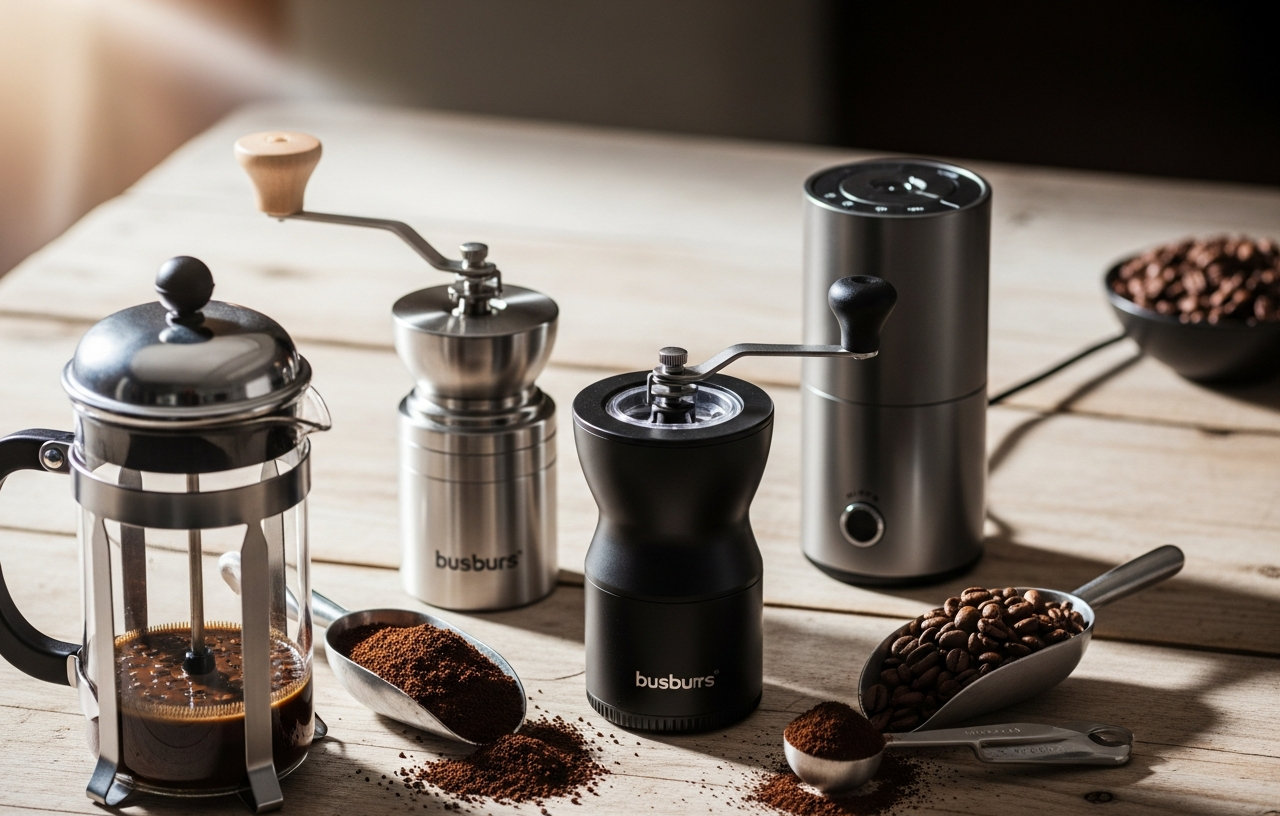
Manual burr grinders are an affordable starting point. They require manual effort, but many models offer impressive grind consistency for their price. These are often compact and portable, making them ideal for travel or small kitchens.
- Cost: Expect to pay $20 for very basic models up to $100 for high quality, durable units from brands like Hario or Timemore.
- Best For: Pour-over, AeroPress, French press, and occasional use. They excel at medium to coarse grinds.
- Pros: Excellent grind consistency for the price, portable, quiet, no electricity needed.
- Cons: time consuming for larger batches, not ideal for very fine espresso grinds.
A manual grinder can be a fantastic way to experience the benefits of fresh grinding without a large initial investment. They teach patience and a connection to the coffee ritual.
Basic Electric Burr Grinders: $70-$120
Moving into electric options, the lowest price point for a functional burr grinder is around $70. These models typically feature conical burrs made of stainless steel or ceramic. They offer convenience with the push of a button but come with certain limitations.
- Cost: Generally $70-$120.
- Best For: Drip coffee makers, French press, and sometimes pour-over.
- Pros: Convenient, faster than manual grinders.
- Cons: Grind consistency may be less uniform, especially at finer settings. Motor quality can be basic, leading to more noise and heat. They often lack the fine adjustments needed for quality espresso.
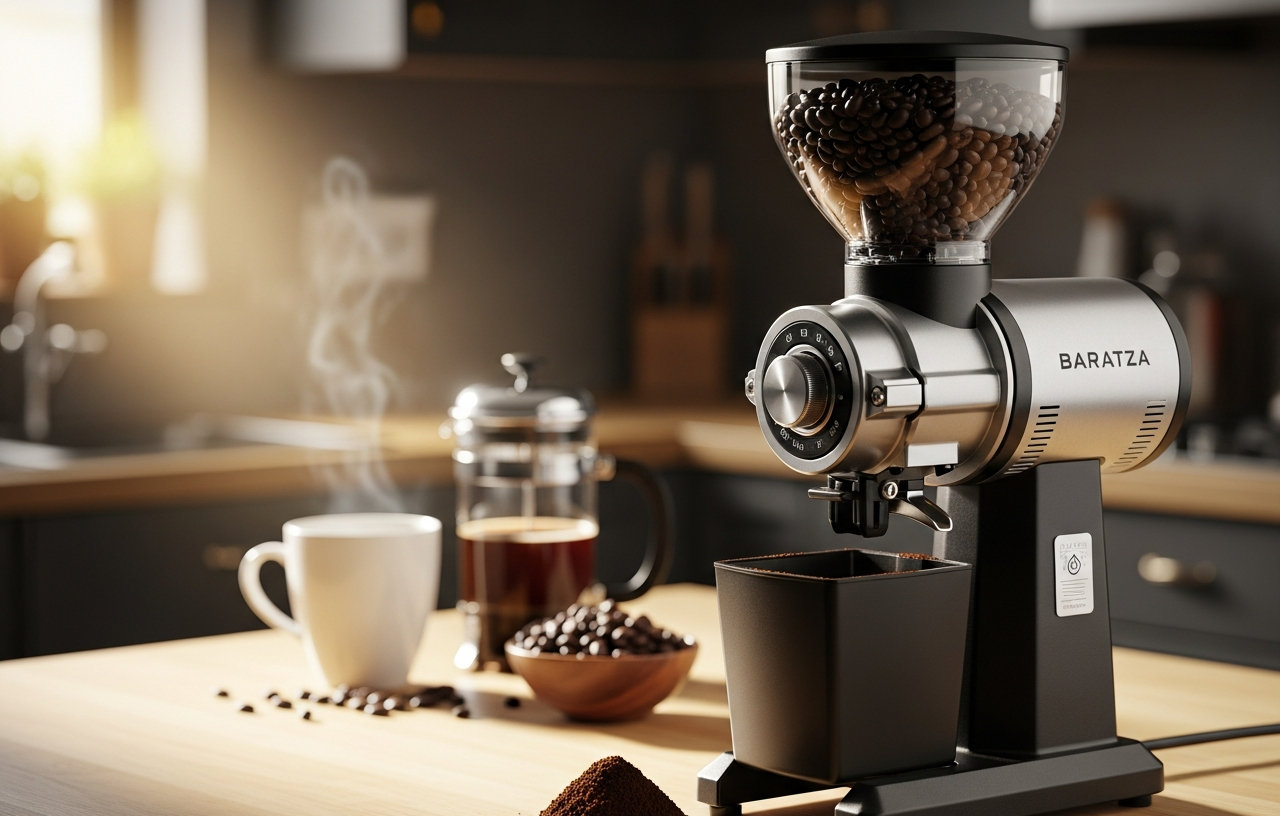
A popular example in this category, often slightly above this range but a good benchmark, is the Baratza Encore. It provides solid performance for filter coffee, usually priced around $180. These grinders are a good choice for someone upgrading from a blade grinder and focused on brewed coffee.
Burr Grinder vs Blade Grinder: Which One Makes Better Coffee?
Mid-Range Excellence: The $100-$300 Sweet Spot
This price range is where most home coffee enthusiasts find their ideal grinder. Grinders here offer a significant leap in performance, durability, and features compared to entry-level models. They provide a balance of quality and value, often capable of producing consistent grinds across a wider spectrum of brewing methods.
Enhanced Performance and Features
Grinders in the $100-$300 category often come with more robust motors, a wider range of grind settings, and improved burr sets. Many models feature steel conical burrs, which are known for their durability and consistent grind. Some may even introduce entry-level flat burrs, especially for filter coffee.
- Cost: Typically $100-$300.
- Best For: All filter coffee methods (drip, pour-over, French press, AeroPress) and entry-level espresso (especially models designed for it).
- Key Improvements:
- Grind Consistency: Noticeably better uniformity, leading to improved flavor extraction.
- Motor Quality: Stronger, quieter motors that generate less heat, preserving coffee flavor.
- Grind Adjustments: More precise stepped adjustments, or even micro-adjustments on some models, allowing for better dialing in.
- Build Quality: More durable construction, often with metal components where plastic was used in cheaper models.
- Features: Timers for consistent dosing, anti-static measures, and easier cleaning.
Grinders like the Baratza Encore ESP or the Fellow Ode (for filter coffee) exemplify this category. The Encore ESP, for instance, offers a dedicated espresso grinding capability, a feature often missing in cheaper models. These grinders are a sound investment for anyone serious about elevating their daily brew, whether it's for a morning pour-over or a home espresso setup.
Breville Smart Grinder Pro vs. Baratza Encore: Which Grinder Reigns Supreme?
High-Performance Grinders for Espresso and Beyond ($300+)
When coffee preparation demands extreme precision, particularly for espresso, the investment in a grinder typically starts at $300 and can extend well over $800. These machines are engineered for uncompromising consistency, fine-tuned adjustments, and robust performance.
Precision for Espresso
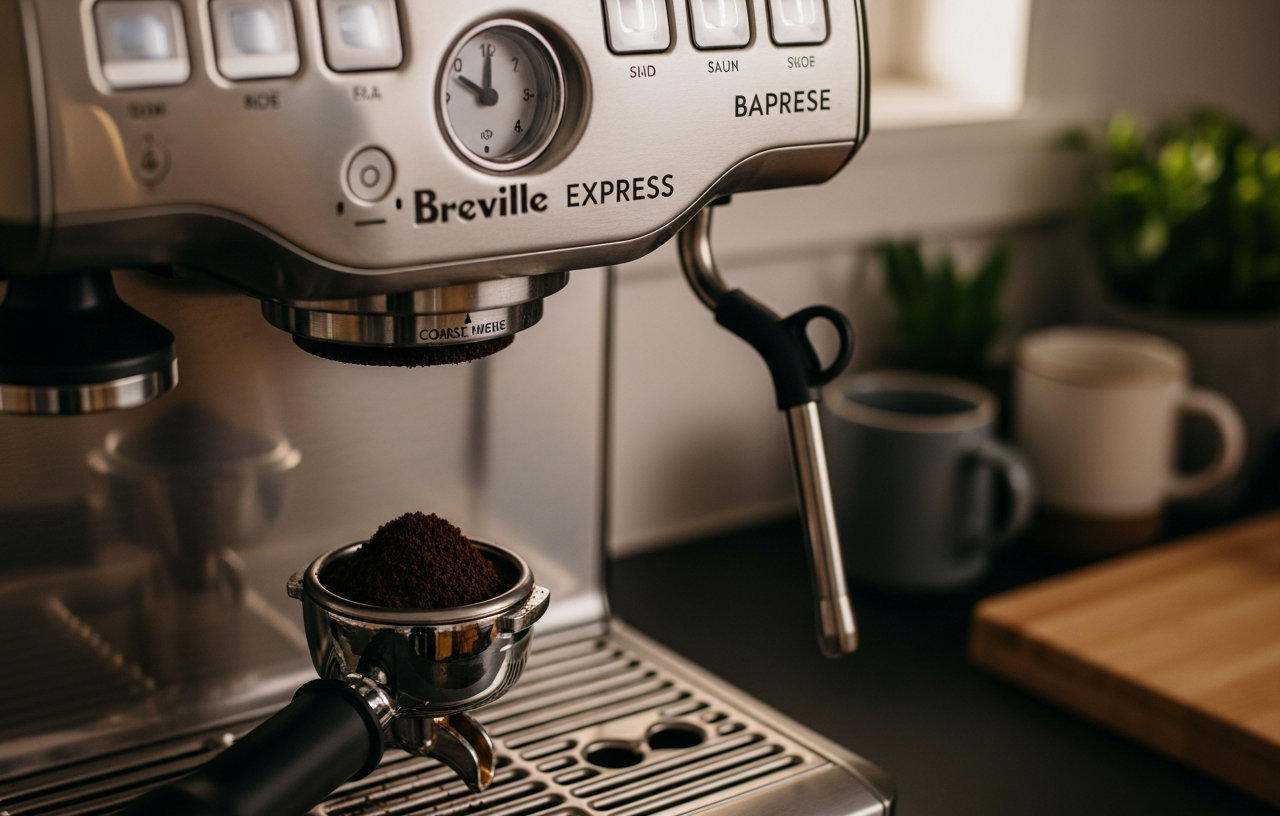
Espresso requires an incredibly fine and uniform grind. Even small variations can drastically alter shot quality. high end grinders meet this demand with:
- Stepless Adjustments: Many grinders in this range offer stepless grind adjustments, allowing for infinite micro-adjustments. This is critical for dialing in espresso shots perfectly.
- Larger, high quality Burrs: Often featuring larger flat burrs (50mm-64mm or more) or high quality conical burrs made from hardened steel. These burrs are designed for efficiency, consistency, and longevity.
- Powerful, Low-RPM Motors: These motors grind coffee efficiently without generating excessive heat, which can degrade flavor. They often operate at lower RPMs to reduce static and heat.
- Minimal Retention:
- Durable Construction: heavy duty materials, often metal casing, contribute to stability, noise reduction, and overall longevity.
Examples include models from the Eureka Mignon series, the Niche Zero, or entry-level commercial grinders. These grinders typically range from $400 to $700 or more, depending on features and burr size. For instance, a Eureka Mignon Notte might start around $400, while a Niche Zero often costs around $600-$750. The investment is justified by the superior extraction and flavor clarity these grinders provide for espresso, along with their durability.
A high quality grinder is as important as, if not more important than, the espresso machine itself for achieving excellent espresso. Even a premium espresso machine will struggle to produce good shots with a subpar grinder.
Best Espresso Machines: A Complete Buying Guide
Understanding Burr Grinder Maintenance and Repair Costs
Even the best burr grinders require maintenance. Over time, burrs can dull, impacting grind consistency. Understanding the cost of replacement parts and labor helps you decide when to DIY a repair and when a professional is needed.
Replacing Dull Burrs: A Common Scenario
The most common repair for a burr grinder involves replacing the burrs. Over hundreds or thousands of grinding cycles, burrs lose their sharp edges, resulting in a less consistent grind and slower grinding times. This directly affects coffee quality.
Cost of Replacement Burrs
The price of replacement burrs varies significantly by grinder model and burr type:
- Entry-Level Conical Burrs (e.g., Baratza Encore): Expect to pay around $35-$45 for a set of replacement burrs. These are widely available directly from the manufacturer or third-party retailers.
- Mid-Range Flat or Conical Burrs (e.g., Eureka Mignon, higher-end Baratza models): Prices can range from $60 to $100 or more, depending on the burr material (e.g., hardened steel, titanium-coated) and size.
- Manual Grinder Ceramic Burrs: A replacement set for a manual grinder typically costs $15-$30.
DIY Burr Replacement: Financial Sense and Risks
Many manufacturers provide detailed instructions or videos online. You typically need only basic tools, such as a screwdriver and a brush.
- DIY Cost: Only the cost of the replacement burrs ($15-$100).
- Time Commitment: Usually 15-30 minutes for most popular models.
- Financial Sense: DIY repair is highly cost effective. You save significantly on labor charges. For a $35 set of burrs, your total cost remains $35.
- Risks: The primary risk is damaging other components during disassembly or reassembly. However, for well-documented repairs on common grinders, this risk is minimal if you follow instructions carefully. Make sure to keep track of small parts like washers or springs.
An important DIY money-saving option is regular cleaning. Using a small brush and grinder cleaner tablets (e.g., Grindz) costs about $10-$20 for a supply. This practice helps maintain burr sharpness and extends their lifespan, delaying the need for replacement.
Quick Coffee Grinder Cleaning: No Disassembly Required
Professional Repair: When to Consider It
If you are uncomfortable with disassembling your grinder or if the problem extends beyond simple burr replacement (e.g., motor issues, electronic faults), a professional repair might be necessary.
- Labor Costs: A coffee equipment technician typically charges $50-$100 per hour. Many shops have a minimum service fee, often ranging from $75-$150, which covers initial diagnostics and minor work.
- Total Cost (Parts + Labor): For a burr replacement, this could be $35-$100 (parts) + $75-$150 (labor) = $110-$250+.
- When It's Worth It: For grinders costing $500 or more, especially those with complex electronics or proprietary components, a professional repair might be justified. For grinders under $200-$300, the cost of professional repair for dull burrs often approaches or exceeds the price of buying a new grinder. In such cases, replacing the grinder entirely may be the more economical choice.
Always weigh the cost of repair against the cost of a new unit, especially for mid-range and entry-level grinders.
Choosing the Right Burr Grinder for Your Budget
Selecting the right burr grinder involves more than just looking at the price tag. It requires balancing your budget with your brewing habits and desired coffee quality.
Consider Your Brewing Method First
Your primary brewing method should guide your grinder choice. Espresso demands the most precise and consistent grind, necessitating a higher investment. For drip coffee, French press, or pour-over, a mid-range grinder offers excellent results without breaking the bank.
- Espresso Enthusiast: Budget $300-$800+. Look for stepless adjustments, durable burrs (often flat burrs), and a powerful motor.
- Filter Coffee Lover (Drip, Pour-Over, French Press): Expect to spend $100-$300. Prioritize grind consistency and ease of use. A Baratza Encore or Fellow Ode can be excellent choices.
- Occasional Brewer / Traveler: A manual burr grinder ($20-$100) provides portability and good quality for smaller batches.
Prioritize Burr Quality and Motor
These two components are the heart of any burr grinder. Higher-quality burrs (larger, made from hardened steel or ceramic) produce more uniform grounds and last longer. A robust motor ensures consistent performance, reduces heat buildup, and contributes to the grinder's longevity.
Evaluate Grind Adjustment Mechanisms
Stepped adjustments are common in entry-level and mid-range grinders, offering distinct settings.
Manual vs. Electric: Convenience vs. Cost
Manual grinders are cost effective and portable, but they require effort. Electric grinders offer convenience and speed, but at a higher price point. If you brew multiple cups daily, an electric grinder is usually a better choice for convenience.
Ultimately, investing in a good burr grinder is one of the most impactful upgrades you can make to your home coffee experience. The enhanced flavor and consistency derived from freshly and uniformly ground beans are undeniable, making the cost a worthwhile expenditure for any coffee lover.