A milk frother typically costs between $10 for a basic handheld battery-operated whisk and over $100 for a feature-rich automatic electric unit. This wide range reflects differences in type, functionality, material quality, and brand. Your choice depends on how you plan to use it and your budget for enhancing lattes and cappuccinos at home.
For most home coffee enthusiasts, a reliable frother improves drink quality without needing to purchase an expensive espresso machine with an integrated steam wand. Even a simple $15 frother can significantly elevate your morning coffee routine.
Understanding Different Milk Frother Types and Their Costs
Milk frothers come in several distinct categories, each offering different levels of convenience, froth quality, and price points. Knowing these differences helps you identify the best value for your needs.
Manual Milk Frothers (Plunger-Style)
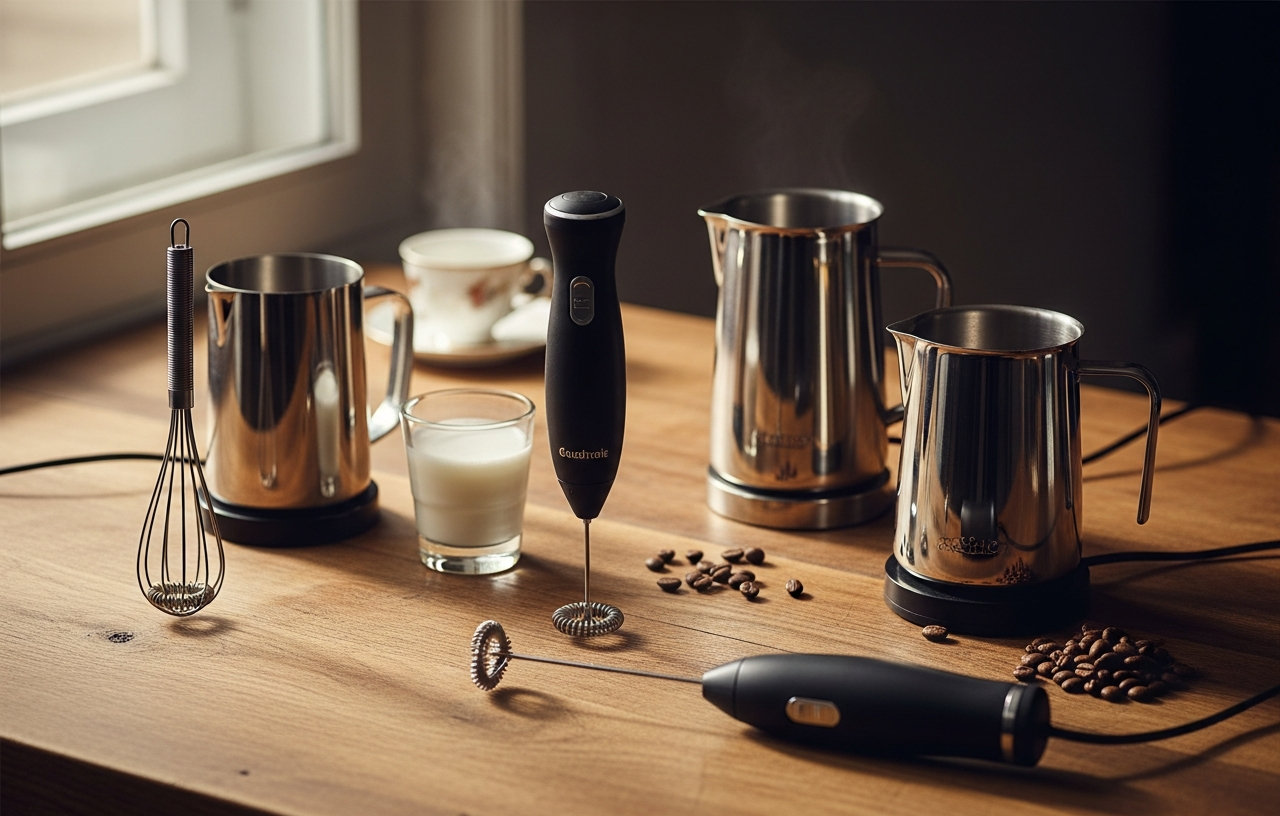
Manual frothers, often called plunger-style or French press frothers, are among the most budget-friendly options. They typically consist of a carafe, usually made of glass or stainless steel, and a lid with a mesh plunger. To use one, you heat milk separately, pour it into the carafe, and pump the plunger up and down repeatedly to create froth.
- Cost: $15-$30
- Pros: Very affordable, no electricity needed, easy to clean, produces dense froth.
- Cons: Requires manual effort, milk must be heated separately, can be slower than electric options.
These are excellent for those who appreciate a hands-on approach and do not mind the extra step of heating milk on a stovetop or in a microwave. They are also highly durable, often lasting for many years with proper care.
Handheld Battery-Operated Frothers
Handheld frothers are small, portable devices powered by AA or AAA batteries. They feature a whisk at the end of a shaft and are activated by a button. You simply submerge the whisk in warm milk and turn it on. The rapid rotation aerates the milk, creating a light foam.
- Cost: $10-$25
- Pros: Extremely affordable, compact, portable, quick froth production, easy to store.
- Cons: Requires batteries, only froths, does not heat milk, froth can be less consistent than automatic models.
These frothers are ideal for beginners, travelers, or anyone needing a quick and simple way to add froth to their coffee. They are also a popular choice for mixing other beverages or even whisking eggs.
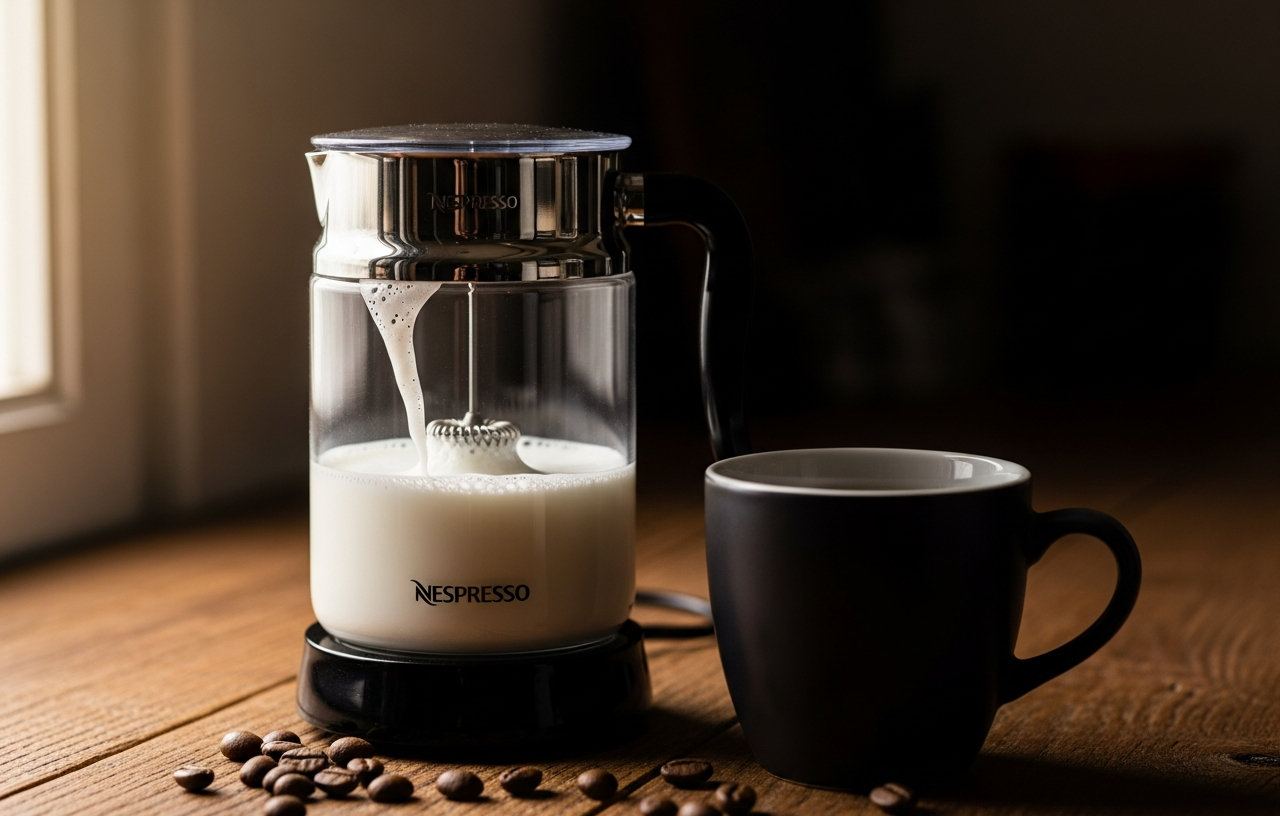
Automatic Electric Frothers
Automatic electric frothers are self-contained units that heat and froth milk with the touch of a button. They typically feature a non stick interior, a whisk attachment, and various settings for different froth consistencies (e.g., hot foam, cold foam, flat hot milk). Many models use induction heating for precise temperature control.
- Cost: $40-$100+
- Pros: Convenient, heats and froths automatically, consistent results, multiple settings, easy to clean (many are non stick).
- Cons: Higher initial cost, takes up counter space, can be less durable than manual options due to electronics.
These are a popular choice for daily use, providing café-quality foam with minimal effort. Higher-end models might offer larger capacities, more robust construction, or advanced features like app control.
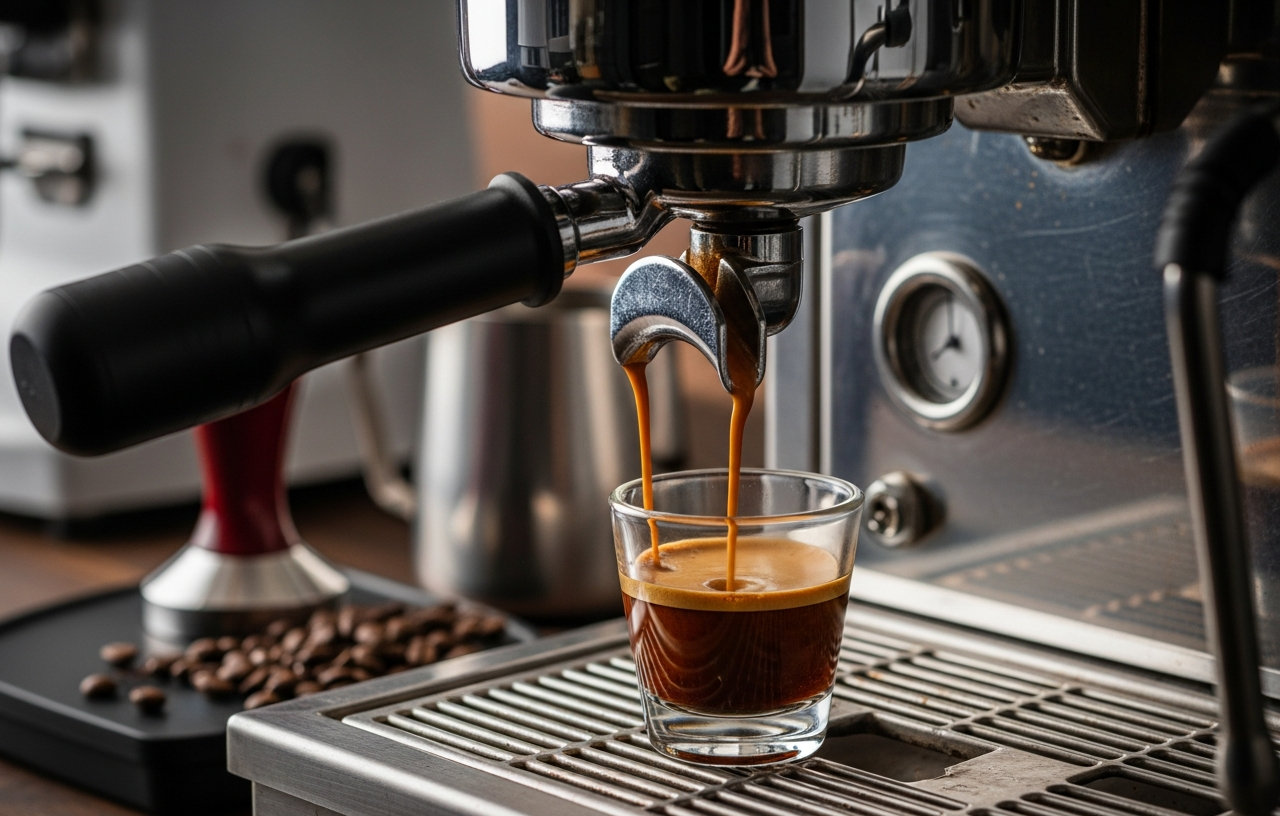
Integrated Steam Wands (Espresso Machines)
Many espresso machines include an integrated steam wand for frothing milk. While not a standalone frother purchase, the cost of the steam wand is bundled into the overall price of the espresso machine. These machines can range significantly in price, from entry-level models around $150 to professional-grade units costing thousands. Learning to use a steam wand effectively requires practice and technique.
- Cost: Included with espresso machine purchase ($150-$1000+ for home models)
- Pros: Produces high quality microfoam for latte art, versatile for heating and frothing, part of a complete espresso setup.
- Cons: Requires skill and practice, cleaning can be more involved, higher initial investment for the machine.
If you are considering an espresso machine, the steam wand's quality is a significant factor. For a deeper look into espresso machine costs, consider our guide on How Much Does a Good Espresso Machine Really Cost?
What Influences Milk Frother Pricing?
Several factors contribute to the varying price tags you will see on milk frothers. Understanding these can help you decide which features are worth paying more for.
Material Quality and Durability
The materials used in a frother's construction directly affect its price and longevity. Plastic handheld frothers are the least expensive, but their motors may not last as long as those in stainless steel models. Automatic frothers with stainless steel carafes or interiors are generally more expensive than those with plastic. Stainless steel offers better heat retention, is more durable, and often easier to clean.
Features and Technology
Basic handheld frothers simply whisk. More expensive automatic models include heating elements, multiple froth settings (e.g., light foam, dense foam, cold foam), and automatic shut-off functions. Induction heating, which provides precise temperature control and even heating, is a premium feature found in higher-priced automatic frothers. Some models even offer smart features like Bluetooth connectivity or preset programs for different drink types.
Brand Reputation
well known brands in the coffee and kitchen appliance industry often command higher prices due to their reputation for quality, customer support, and design. While a generic handheld frother might cost $10, a similar model from a recognized brand could be $20. For automatic frothers, premium brands can easily push prices over $80, offering perceived reliability and aesthetic appeal.
Capacity and Design
Larger capacity frothers, capable of frothing milk for multiple servings at once, usually cost more than smaller units. The overall design and aesthetics also play a role. Frothers with sleek, modern designs or those made to match specific espresso machine aesthetics can carry a higher price tag. This is particularly true if they are part of a larger product ecosystem.
DIY Repair vs. Professional Service: A Cost Scenario
When a milk frother malfunctions, deciding whether to repair or replace it often comes down to cost versus the initial purchase price. For most standalone milk frothers, professional repair is rarely a financially sound option.
Scenario: Automatic Electric Frother Malfunction
Let's consider a common issue with an automatic electric frother: the whisk stops spinning, or the heating element no longer warms the milk. This type of frother typically costs between $40 and $100 new.
DIY Repair Considerations
For some users, a DIY approach might seem appealing. If the issue is a simple mechanical failure, such as a detached whisk or a worn-out rubber gasket, replacement parts might be available online for $5 to $15. If the motor fails, finding a direct replacement motor for a specific frother model can be challenging. A generic small DC motor might cost $15-$40, but installing it requires electrical knowledge and tools like a soldering iron, which costs $20-$50. Small screwdriver sets are another $10-$20 investment.
The time commitment for a DIY repair, including troubleshooting, ordering parts, and actual repair, could be 2-4 hours. The financial savings might only be realized if the part is cheap and readily available, and you already own the necessary tools and possess the skills. The risk of further damaging the frother or encountering electrical safety issues is present. DIY repair makes financial sense only for very low-cost issues on inexpensive frothers that are outside of warranty, where the risk of loss is minimal.
Professional Repair Considerations
Small appliance repair technicians typically charge an hourly rate of $75 to $150, often with a minimum service fee of $50 to $100 just to diagnose the problem. For a milk frother that originally cost $40-$100, paying a technician $75 or more for labor, plus the cost of parts, quickly exceeds the price of a brand-new unit. For example, if a heating element needs replacement (part cost $20-$40) and it takes a technician one hour of labor, the total bill could be $95-$190. This is almost always more than buying a new, equivalent frother.
Therefore, for standalone milk frothers, professional repair is almost never recommended. The cost of labor alone makes replacement a more economical and practical choice. The only exception might be if the frother is part of a very high end, integrated espresso machine, where the repair of a steam wand component could be justified due to the machine's overall value. However, for a dedicated milk frother, buying a new one saves both money and time.
Making Your Milk Frother Investment Last
To maximize the lifespan and value of your milk frother, regardless of its cost, proper care is essential. Simple routines can prevent common issues and maintain performance.
Regular Cleaning Practices
Milk residue can quickly build up and harden, affecting performance and hygiene. After each use, rinse the frother's internal components or whisk immediately. For automatic frothers, clean the non stick interior with a soft sponge and mild soap. Many parts are not dishwasher safe; always check the manufacturer's instructions. Neglecting cleaning can lead to clogs, odors, and reduced frothing efficiency.
Proper Storage
Store your frother in a clean, dry place. For handheld models, protect the whisk from bending or damage. Automatic frothers should be kept on a stable surface, away from excessive heat or moisture. Proper storage prevents accidental damage and keeps the frother ready for its next use.
Avoiding Misuse
Always follow the manufacturer's guidelines for milk type and fill levels. Overfilling can cause spills and damage to electrical components. Using non-dairy milks not recommended by the manufacturer can sometimes lead to inconsistent results or residue buildup. Avoid using abrasive cleaners or scourers, which can damage non stick coatings or stainless steel finishes.
The cost of a milk frother varies significantly based on its type and features, ranging from $10 for a basic handheld model to over $100 for an advanced automatic unit. While manual and handheld frothers offer affordable entry points, automatic models provide convenience and consistent results. For most standalone frothers, replacement is more cost effective than professional repair if a major component fails. By understanding these cost factors and practicing good maintenance, you can choose a frother that fits your budget and enhances your daily coffee experience for years to come.