The Core Materials of a Moka Pot: Aluminum and Stainless Steel
Moka pots are primarily constructed from either aluminum or stainless steel. This fundamental material choice affects everything from heat transfer and durability to flavor profile and maintenance requirements. Understanding what is a moka pot made of helps consumers make an informed purchase based on their specific needs and preferences.
The original Moka Express, patented by Alfonso Bialetti in 1933, was made from cast aluminum. This established aluminum as the traditional material for these stovetop brewers. Over time, stainless steel options emerged, offering different benefits, particularly for modern kitchens.
Aluminum Moka Pots: Traditional Design and Performance
Aluminum is the most common material for moka pots, especially for classic designs. Most aluminum moka pots are made from food-grade aluminum alloys, such as 3003 or 6061. These alloys offer a balance of formability, strength, and corrosion resistance suitable for kitchenware.
Heat Conductivity and Brewing Characteristics
Aluminum is an excellent thermal conductor. This property means aluminum moka pots heat up quickly and distribute heat evenly across the water chamber. Rapid heating helps the water reach brewing temperature faster, which can contribute to a quicker extraction process. The thermal conductivity of aluminum also ensures that the pressure builds efficiently inside the lower chamber.
However, aluminum's high conductivity also means it cools down quickly once removed from the heat source. This can be a factor if you prefer to let your coffee sit in the pot for a short period before serving.
Durability and Longevity of Aluminum
While durable in a general sense, aluminum moka pots are susceptible to certain types of wear. They can scratch or dent if dropped. More importantly, aluminum reacts with acidic substances, including coffee. Over time, this reaction can lead to oxidation, which appears as a dark discoloration inside the water chamber and filter basket. This oxidation is often referred to as a "patina" by some users, but it can impart a metallic or bitter taste to the coffee.
To prevent oxidation, aluminum moka pots require specific care. They should always be hand washed with warm water and no soap. Dishwasher detergents are highly alkaline and will accelerate oxidation, causing significant discoloration and pitting. Abrasive scrubbers can also damage the surface, making it more prone to reaction.
Induction Compatibility and Cost
A significant limitation of aluminum moka pots is their incompatibility with induction stovetops. Aluminum is a non-ferromagnetic metal, meaning it does not interact with the magnetic fields produced by induction cookers. Many kitchens today feature induction hobs, making aluminum moka pots unsuitable unless an induction adapter plate is used. These adapter plates add an extra step and cost to the brewing process.
Aluminum moka pots are generally more affordable than their stainless steel counterparts. A standard 3-cup aluminum moka pot, like a Bialetti Moka Express, typically costs between $20 and $40. This lower price point makes them an accessible option for many coffee enthusiasts.
When considering what is Bialetti made of, the classic Bialetti Moka Express is definitively aluminum. Other Bialetti models, such as the Brikka, are also aluminum. The brand's legacy is built on this material.
Stainless Steel Moka Pots: Modern Durability and Versatility
Stainless steel moka pots represent a modern alternative to traditional aluminum designs. They are increasingly popular due to their enhanced durability and broader stovetop compatibility.
Material Composition and Reactivity
Stainless steel moka pots are typically made from high-grade stainless steel, such as 18/8 or 18/10. These numbers refer to the chromium and nickel content, respectively. For example, 18/8 stainless steel contains 18% chromium and 8% nickel. Chromium provides corrosion resistance and a shiny finish, while nickel adds further corrosion resistance and strength. This composition makes stainless steel highly non-reactive, meaning it does not impart metallic flavors to the coffee or corrode from coffee acids.
The non-reactive nature of stainless steel ensures a clean, unaltered coffee flavor. It does not develop the internal discoloration or pitting that aluminum can experience over time.
Heat Retention and Brewing Performance
Stainless steel is a poorer thermal conductor compared to aluminum. This means stainless steel moka pots take longer to heat up. Once hot, however, they retain heat more effectively. This can be an advantage if you want to keep your coffee warm for a longer period after brewing, without it cooling rapidly in the pot.
The slower heating might slightly extend the brewing time, but the overall extraction process remains effective. Some stainless steel models feature a thicker base to improve heat distribution and stability on the stovetop.
Induction Compatibility and Cost
A significant advantage of stainless steel moka pots is their compatibility with all stovetops, including induction. Stainless steel is ferromagnetic, allowing it to interact with induction cookers' magnetic fields. This makes stainless steel models a versatile choice for any kitchen setup.
Stainless steel moka pots are generally more expensive than aluminum versions. A comparable 3-cup stainless steel moka pot, like the Bialetti Venus or Kitty, typically ranges from $40 to $70 or higher. The increased cost reflects the material's durability, non-reactivity, and induction compatibility.
When considering what is Bialetti moka made of in terms of stainless steel options, models like the Bialetti Venus, Class, or Kitty are excellent examples. These parts are typically made from different materials selected for specific properties like heat resistance, flexibility, and pressure sealing.
Gaskets: Sealing the Pressure
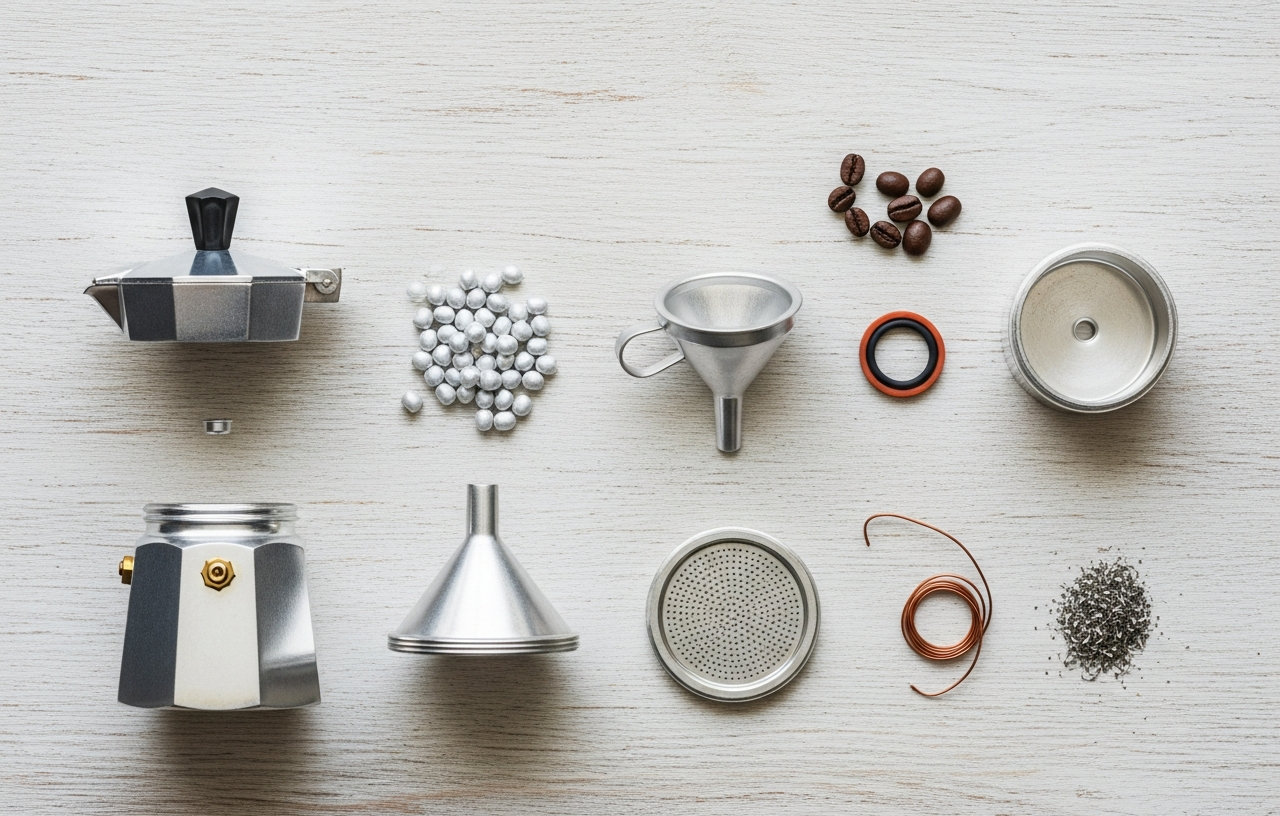
The gasket, or rubber seal, is a critical component located between the upper and lower chambers. Its purpose is to create an airtight and watertight seal, allowing pressure to build effectively in the lower chamber and force water up through the coffee grounds. Without a good seal, the moka pot will leak or fail to brew properly.
- Rubber Gaskets: Traditional moka pots often use natural rubber gaskets. These are flexible and provide a good seal, but they can dry out, crack, or become brittle over time, especially with frequent use and exposure to heat. They typically need replacement every few months, depending on usage.
- Silicone Gaskets: Many modern moka pots, particularly stainless steel models, use silicone gaskets. Silicone is more durable, heat-resistant, and flexible than natural rubber. It tends to last longer and is less prone to drying and cracking, offering a more consistent seal over an extended period.
Regardless of the material, gaskets are wear-and-tear items that require periodic inspection and replacement. They are typically made from heat-resistant materials.
- Phenolic Resin (Plastic): Most aluminum moka pots feature handles made from phenolic resin, a type of thermosetting plastic. This material is chosen for its excellent heat insulation properties, keeping the handle cool to the touch during brewing. However, if exposed directly to a high flame, plastic handles can melt or deform.
- Stainless Steel or Other Metals: Some stainless steel moka pots feature handles made from stainless steel, sometimes with a silicone grip, or other metal alloys. While metal handles are extremely durable and cannot melt, they can become very hot during brewing, requiring a potholder or oven mitt for safe handling. Designs often incorporate a gap or specific angle to minimize heat transfer.
Filter Basket and Filter Plate
The filter basket holds the ground coffee, and the filter plate (or funnel) sits on top of the grounds, allowing water to pass through. These components are usually made from the same material as the moka pot body, either aluminum or stainless steel. A grind too fine can block the filter, while a grind too coarse will result in weak coffee. Using a burr grinder provides consistent particle size, which is ideal for moka pots. For more information on grinders, see our article on Burr Grinder vs Blade Grinder.
Safety Valve: An Essential Safety Feature
Every moka pot includes a safety valve, typically located on the side of the lower water chamber. This valve is a critical safety feature, designed to release excess pressure if it builds beyond a safe limit. This can happen if the coffee grounds are packed too tightly, the filter is clogged, or the water level is too high.
Safety valves are usually made from brass or stainless steel, materials chosen for their durability and resistance to corrosion. It is essential to ensure the safety valve is clean and free of obstructions. Never fill the water past the level of the safety valve, as this can prevent it from functioning correctly.
Maintenance and Care Based on Material
The material of your moka pot dictates its cleaning and maintenance routine. Proper care extends the lifespan of the brewer and preserves coffee flavor.
Caring for Aluminum Moka Pots
Aluminum moka pots require gentle care to prevent oxidation and maintain performance.
- Hand Wash Only: Always hand wash aluminum moka pots with warm water immediately after use.
- No Soap or Detergent: Avoid using dish soap, especially in the water chamber and filter basket. Soap can react with the aluminum, leading to discoloration and imparting off-flavors to subsequent brews.
- Soft Sponge: Use a soft sponge or cloth to clean, avoiding abrasive scrubbers or steel wool, which can scratch the surface and accelerate oxidation.
- Thorough Drying: Air dry all components completely before reassembling to prevent water spots and further oxidation.
- Descaling: Periodically descale with a mild citric acid solution or white vinegar (diluted 1:1 with water) to remove mineral buildup, especially in hard water areas. Run a cycle with the descaling solution, then several cycles with plain water.
The dark 'patina' that develops inside an aluminum moka pot is sometimes considered desirable by purists, believing it contributes to flavor. However, significant discoloration or metallic taste indicates excessive oxidation.
Caring for Stainless Steel Moka Pots
Stainless steel moka pots are more forgiving and easier to clean.
- Dishwasher Safe (Often): Many stainless steel moka pots are dishwasher safe. However, checking the manufacturer's instructions is always recommended.
- Hand Washing: For longevity and to prevent potential dulling, hand washing with warm water and a mild dish soap is still often preferred.
- Non-Abrasive Cleaners: Use a soft sponge or cloth. While stainless steel is more resistant to scratching than aluminum, abrasive cleaners can still dull the finish.
- Rinse and Dry: Rinse thoroughly and dry to prevent water spots.
- Descaling: Like aluminum, stainless steel moka pots benefit from periodic descaling with citric acid or diluted vinegar to remove mineral deposits.
Gasket and Valve Maintenance
Regardless of the moka pot body material, regular inspection of the gasket and safety valve is essential.
- Gasket Replacement: Replace rubber gaskets every 3-6 months, or sooner if they appear brittle, cracked, or if the pot begins to leak. Silicone gaskets can last longer, typically 1-2 years. Keeping spare gaskets on hand is a practical approach.
- Safety Valve Check: Regularly inspect the safety valve to ensure it is clear of coffee grounds or mineral buildup. If the valve appears clogged or damaged, the moka pot should not be used until it is cleaned or replaced.
The choice between an aluminum and stainless steel moka pot ultimately comes down to personal preference for heat characteristics, stovetop compatibility, durability, and maintenance habits. Both materials can produce excellent stovetop espresso-style coffee when used correctly.