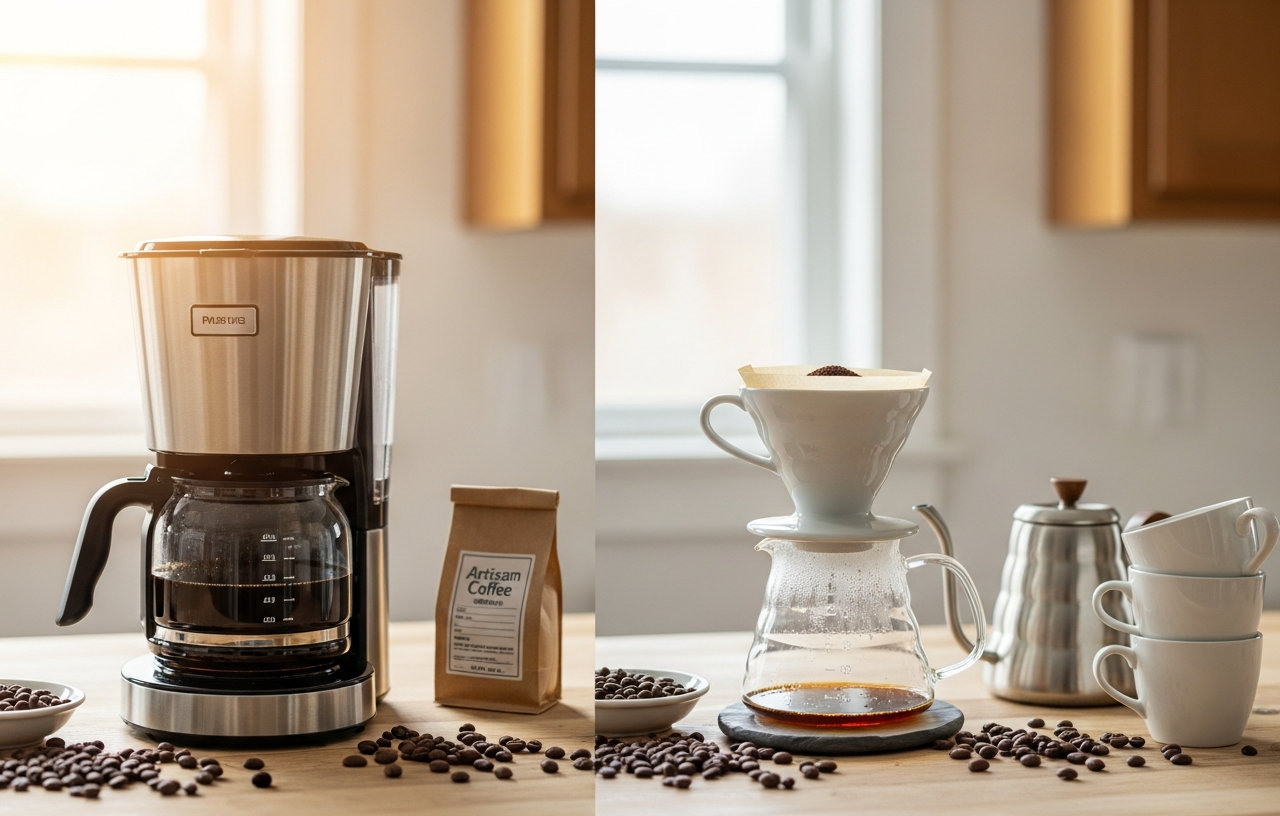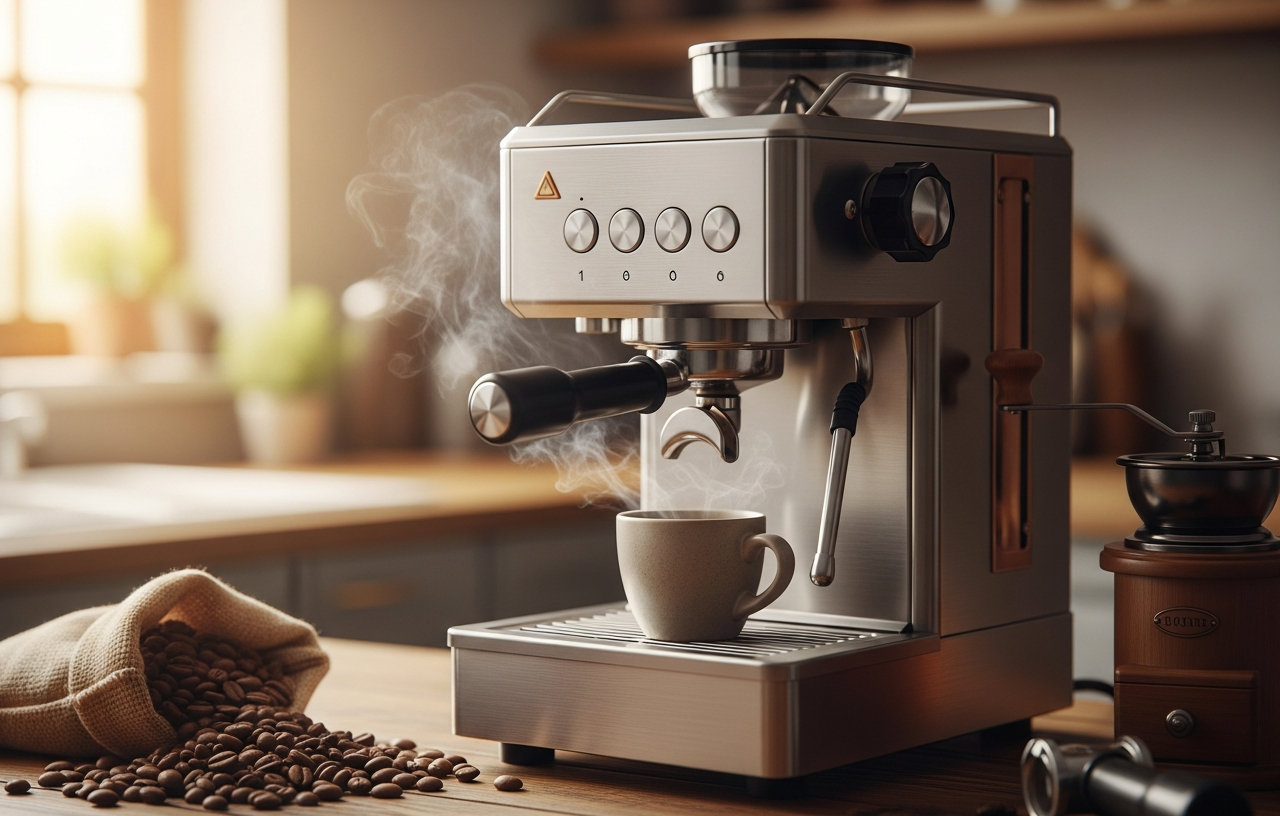
A coffee maker making strange noises can be concerning. These sounds often signal an underlying issue that needs attention. The most common culprits behind unusual coffee maker noises are a failing water pump, significant mineral scale buildup, or an airlock in the water system. Identifying the specific sound your machine makes is the first step toward diagnosing and fixing the problem.
Understanding Normal Coffee Maker Sounds
Before diagnosing unusual noises, it helps to know what a healthy coffee maker sounds like. Most machines produce a consistent hum as the heating element warms water and the pump moves it. You might hear gentle gurgling as water passes through tubes and the brew head. Espresso machines, in particular, will have a distinct, steady whirring sound from their pump during extraction, along with the hiss of steam if they have a wand.
During the brewing cycle, sounds are generally predictable and steady. A drip coffee maker will gurgle as it heats and dispenses water, then drip as coffee extracts. An espresso machine will have a louder, more powerful hum during extraction, followed by a lighter hiss as pressure equalizes. Any deviation from these expected sounds, especially if accompanied by a change in coffee quality or water flow, warrants investigation.
Common Causes of Unusual Coffee Maker Noises
When your coffee maker starts to sound different, it is communicating a problem. Here are the most frequent issues, their characteristic noises, and how to test for them.
Failing Water Pump or Motor Issues
The water pump is the heart of most coffee makers and espresso machines. It pushes water from the reservoir through the heating element and to the brew head. A failing pump can produce a range of concerning noises.
Sounds: You might hear a high-pitched whine, a loud grinding sound, a sputtering noise, or a continuous buzzing without any water flow. The pump might sound strained, as if it is working harder than usual. Sometimes, the machine will buzz briefly and then stop, indicating it cannot draw water.
Why It Happens: Pumps can fail due to internal wear and tear over time, blockages from debris or mineral scale, or electrical component failure. Air can also get trapped in the pump, preventing it from working correctly. A pump that is struggling to move water against resistance, such as a clog, will also make unusual noises.
Quick Test: Listen closely to pinpoint where the sound originates. If the noise comes directly from the pump area, and water flow is significantly reduced or absent, a failing pump is a strong possibility. You can also feel the pump body (if accessible and safe) during operation; an excessively hot pump might indicate it is overworking or failing. Make sure the water reservoir is full and properly seated.
Repair Cost: Replacing a water pump can be a DIY project for mechanically inclined individuals, especially for machines using common 12V DC pumps. The cost for a new pump typically ranges from $20 to $40. Professional repair services for pump replacement can cost $100 to $300 or more, depending on the machine and labor rates.
Many home coffee makers and espresso machines use compact DC 12V self-priming diaphragm pumps. These pumps are relatively inexpensive and can be swapped out with basic tools, based on product specs. One reliable option, according to manufacturer data, is the CrocSee DC 12V Mini Food Grade Self Priming Diaphragm Fresh Water Transfer Pump. It is designed for various applications, including coffee makers, and features a maximum flow of 0.3 GPM (1.3 LPM). Its 1/4-inch hose barb ports are compatible with common 3/16-inch (5mm) inner diameter hoses found in many appliances. It offers a vertical suction lift of 6.5 feet, which is adequate for most home setups.

- Working Volts: DC 9 ~ 14v (12V is recommended), DO NOT USE AC POWER SOURCE! Load current: ≤350mA, No-load.
- Pump with self-priming function: Max. Vertical Suction Lift: 6.5ft(2m). Max. Flow: 0.3GPM(1.3LPM).
- Inlet and Outlet: 1/4” hose barb port. Hose of 3/16” (5mm) inner dia. is recommended. Approx. Size: 71mm x.
- The pump head is made of Food Grade materials. High Quality Long Life Replacement Pump for Ice.
Another suitable replacement is the DC 12V Mini Self Priming Pump Micro Diaphragm Fresh Water Pump. This pump also operates at DC 12V with a low current consumption. It shares a similar self-priming capability and vertical suction lift of 6.5 feet. Its 1/4-inch hose barb inlet and outlet ports make it a direct fit for many coffee maker systems based on its specifications.

- Electrical Specifications: Micro Water Pump operates at DC 12V with current consumption of less than 300mA.
- Self-Priming Capability: Features self-priming function with maximum vertical suction lift of 6.5ft (2m).
- Port Specifications and Dimensions: Inlet and outlet feature 1/4 inch hose barb port, compatible with hose.
- Food Grade Construction: The pump head is made of food grade materials ensuring high quality and long.
For machines that draw water from external bottled water systems, such as some commercial or office setups, a different type of pump might be involved. The TDRSUPER Bottle Water Dispenser Pump System, for example, is a 110V AC self-priming pump designed for 5-gallon commercial water bottles. It often includes noise-reducing rubber feet to minimize operational sound. While not an internal component for most home coffee makers, it serves a similar water delivery function for specific machine types.

- This 110V bottled water pump dispenser is designed for a 5-gallon commercial water bottle. The Dispensing.
- The Bottle water pump system with quick connect ports to speed up the installation and replacement of.
- Bottled water systems are equipped with noise-reducing rubber feet to minimize noise pollution. It.
- Our water pump refrigerator can be used for different shapes and sizes of bottles. It is perfect for use.
Mineral Scale Buildup (Descaling Needed)
Hard water is a common issue for many households. The minerals in hard water, primarily calcium and magnesium, accumulate over time inside your coffee maker's heating elements and water lines. This buildup, known as scale, can severely impede water flow and heating efficiency.
Sounds: Scale buildup often causes loud gurgling, sputtering, or a strained, struggling sound from the pump. The machine might take longer to brew, and the water flow might appear weak or inconsistent. You might hear excessive hissing from the heating element as it works harder to heat water through the insulated scale layer.
Why It Happens: As water is heated, minerals precipitate out and cling to internal surfaces. These deposits narrow pathways, making the pump exert more effort to push water through. They also reduce the heating element's ability to transfer heat effectively.
Quick Test: Check the water reservoir or any visible parts for white, chalky deposits. If your machine has a shower screen, inspect it for blockages. Observe the flow rate during a brew cycle; if it is noticeably slower than usual, scale is a likely culprit. Many machines have descaling indicator lights. You can also taste your coffee. A change in flavor, often a duller or slightly metallic taste, can indicate scale affecting extraction.
Repair Cost: Descaling is a maintenance task, not typically a repair. Descaling solutions cost between $5 and $20. Regular descaling (every 1-3 months, depending on water hardness and usage) is a simple and inexpensive way to prevent these issues.
Airlock in the Water System
An airlock occurs when air becomes trapped in the water lines or pump, preventing water from flowing. This is a common issue, especially after a machine has been stored, or if the water reservoir has run completely dry.
Sounds: The most characteristic sound of an airlock is a loud buzzing or grinding noise from the pump, but with little to no water coming out of the brew head or steam wand. The pump runs continuously, making a strained sound, yet fails to move water.
Why It Happens: When the reservoir empties, the pump can suck in air. This air forms a pocket that the pump cannot overcome, effectively blocking the water path. It can also happen after cleaning or maintenance if air enters the system.
Quick Test: First, make sure the water reservoir is full and correctly seated. If the pump is buzzing loudly but no water is flowing, an airlock is highly probable. Many machines have specific priming procedures. For espresso machines, try opening the steam wand to release air and draw water through. For drip coffee makers, sometimes cycling the machine a few times or manually adding water to the brew basket can help clear the airlock. Some owners, based on user reviews, have found success by rapidly filling and emptying the reservoir while the machine is on, which can dislodge the air bubble.
Repair Cost: Fixing an airlock usually costs nothing, as it only requires a simple priming procedure. It is a common troubleshooting step.
Clogged Brew Head or Water Lines
Beyond mineral scale, coffee grounds, fine sediments, or other debris can clog the brew head, shower screen, or internal water lines. This restricts water flow and creates back pressure.
Sounds: A clogged brew head can cause the pump to sound strained and create a hissing noise as water struggles to pass through. You might hear sputtering from the brew head, or water may come out unevenly. The machine might also make a louder-than-usual gurgling sound as water backs up.
Why It Happens: Over time, fine coffee particles can accumulate in the shower screen or dispersion plate. Without regular cleaning, these can harden and block the small holes. In drip coffee makers, sediment can build up in the delivery tube.
Quick Test: Visually inspect the brew head or shower screen for visible coffee grounds or debris. For espresso machines, remove the portafilter and run water; observe if the water flows evenly from all holes in the shower screen. If it sputters or comes out in jets, it is likely clogged. For drip machines, check the spray head. Many espresso machines allow for backflushing with a blind filter, which can clear minor clogs.
Repair Cost: Cleaning a clogged brew head or lines typically involves brushes, descaling solution, or specialized cleaning tablets, costing $5-$20. For persistent clogs, minor disassembly might be needed, but this is usually a DIY task.
When to Consider Professional Repair or Replacement
While many coffee maker noises can be diagnosed and fixed at home, some issues warrant professional attention or even a machine replacement.
If you have tried all the troubleshooting steps for pump issues, descaling, or airlocks and the problem persists, or if you notice other serious symptoms like major leaks, electrical malfunctions, or smoke, it is time to consult an expert. Complex internal component failures, such as a faulty heating element or control board, are usually beyond a typical home user's repair capabilities.
The cost of professional repair can range significantly, from $100 to $300 or more for parts and labor. For older or entry-level machines, comparing the repair cost to the price of a new machine makes sense. If the repair cost approaches or exceeds 50% of a new machine's value, investing in a new model might be a more economical choice in the long run.
Many reliable entry-level espresso machines are available for under $300. For drip coffee makers, quality models can be found for $50 to $150. Consider the age of your machine, its initial cost, and the severity of the problem. Consistent care helps keep internal components clean and free from obstructions.
- Regular Descaling: Descale your machine every 1 to 3 months, depending on your water hardness and how frequently you use it. This prevents mineral buildup that strains the pump and restricts water flow.
- Use Filtered Water: Using filtered water reduces the mineral content, slowing down scale accumulation. This is a simple step that has a big impact on machine longevity.
- Daily Cleaning: Rinse your portafilter, brew head, and drip tray after each use. For drip coffee makers, clean the carafe and brew basket daily. Weekly, wipe down the exterior and clean the water reservoir.
- Avoid Running Dry: Try not to let your water reservoir run completely empty, as this can introduce air into the pump system and lead to airlocks.
- Manufacturer Guidelines: Always follow your coffee maker's specific cleaning and maintenance instructions. These are tailored to your machine's design and components.