The Average Lifespan of Coffee Grinders
The operational lifespan of a coffee grinder depends primarily on its type and construction quality. Blade grinders, which operate by chopping coffee beans with spinning blades, typically last 1 to 2 years before performance significantly degrades or the motor fails. These grinders are inexpensive, usually costing under $40, and their components are not designed for long term durability or consistent grind quality.
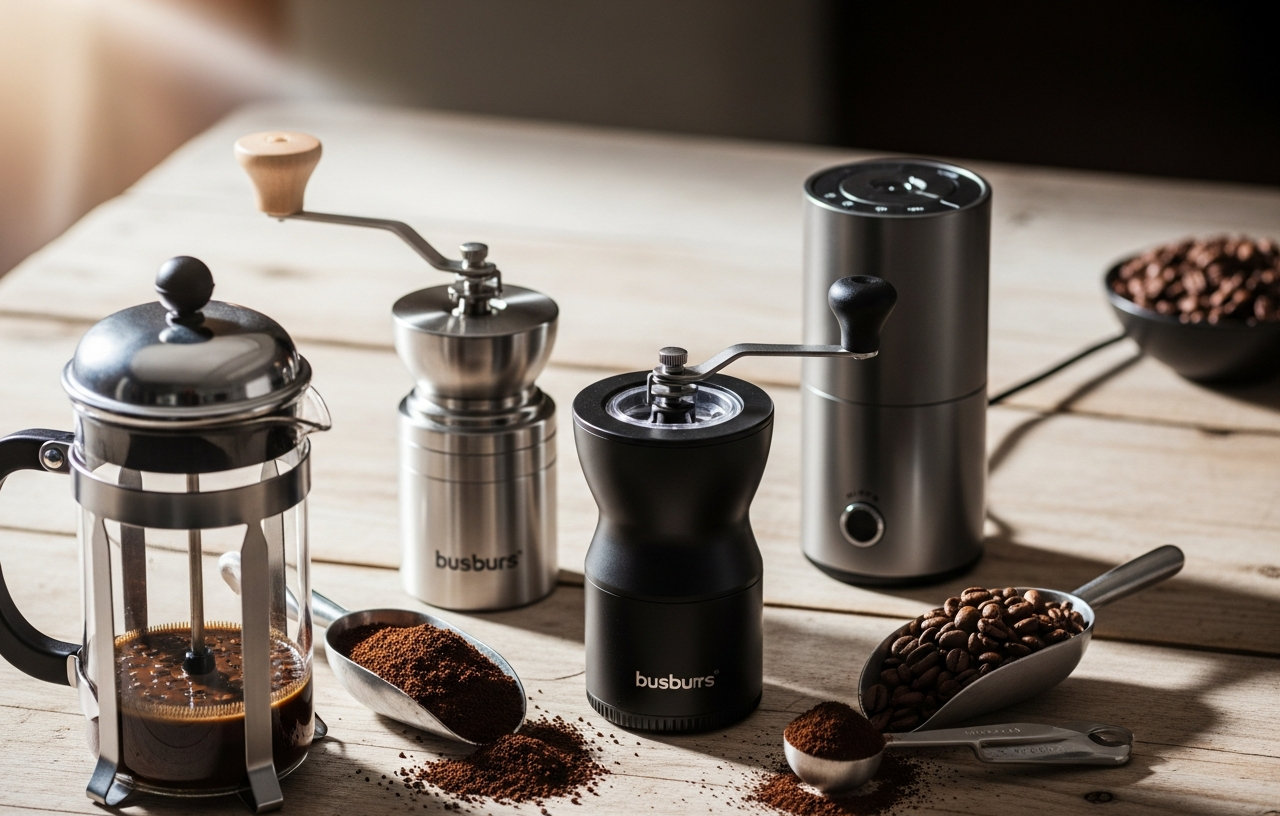
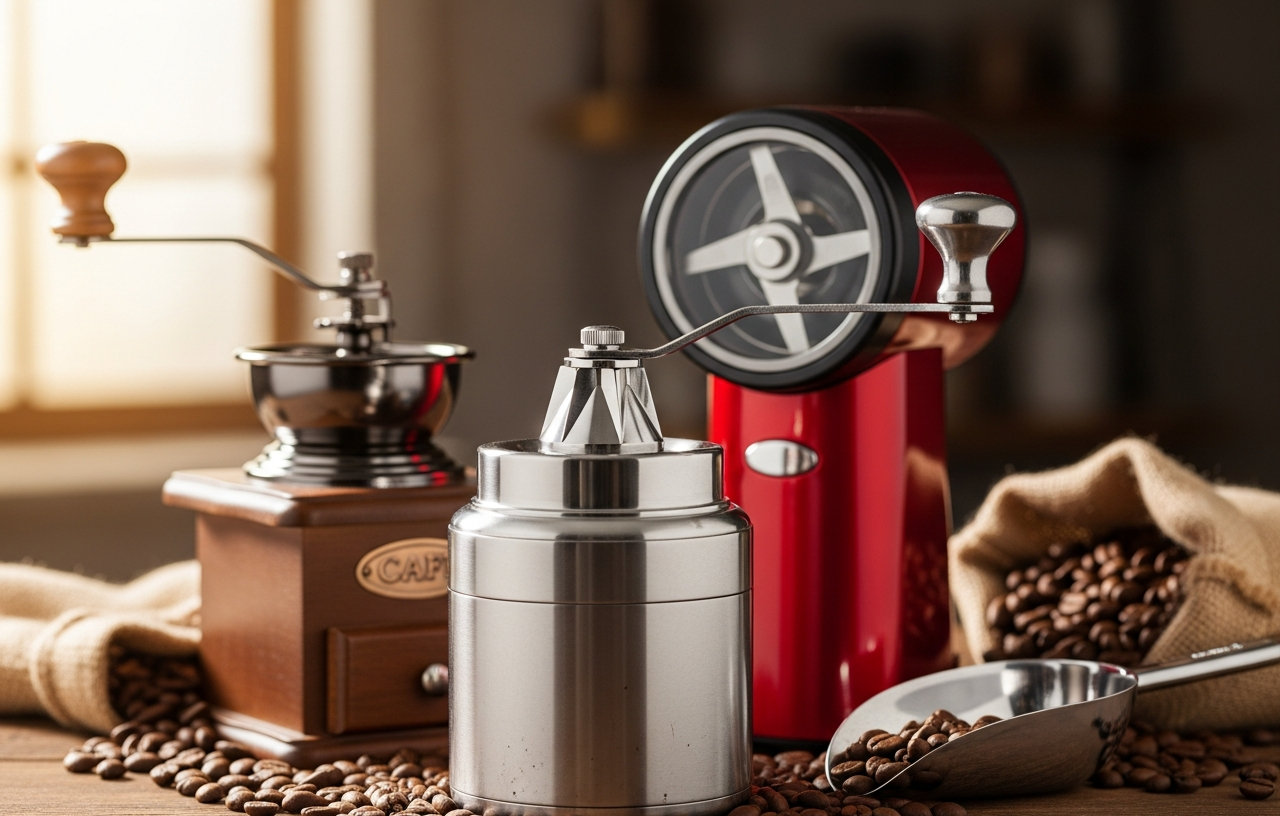
Burr grinders, conversely, crush coffee beans between two abrasive surfaces (burrs), providing a much more consistent and uniform grind. A well maintained home burr grinder can reliably last 5 to 10 years. Premium models, especially those with robust motors and high quality burrs, can exceed this range, offering 10 to 15 years of service. Commercial-grade burr grinders, built for continuous high-volume use, are designed for even greater longevity, often lasting many years in demanding cafe environments. The investment in a burr grinder, generally ranging from $100 to $600 for home models, reflects its superior performance and extended durability.
For a deeper understanding of why burr grinders are preferred, you can refer to our article on Burr Grinder vs Blade Grinder: Which One Makes Better Coffee?
Factors Influencing Grinder Lifespan
Several critical factors dictate how long a coffee grinder will effectively perform. These range from the materials used in its construction to how diligently it is maintained.
Burr Material and Design
The burrs are the heart of any coffee grinder. Their material and design significantly impact the grinder's longevity and consistency.
- Steel Burrs: Most common in home and commercial grinders, steel burrs are durable and can be manufactured with very sharp edges for precise grinding. For home use, quality steel burrs typically last for grinding 500 to 1,000 pounds of coffee, which translates to 5 to 7 years for someone grinding 1-2 times daily. They can be resharpened or replaced.
- Ceramic Burrs: Harder than steel, ceramic burrs generally have a longer lifespan, often rated for 1,000 to 1,500 pounds of coffee or 7 to 10 years of home use. They are also more resistant to dulling. However, ceramic is more brittle than steel and can chip or crack if foreign objects (like small stones found in some coffee bean bags) are introduced.
The design, whether conical or flat burrs, also plays a role. Conical burrs, often found in smaller, quieter grinders, tend to wear more evenly. Flat burrs, common in high end grinders, offer excellent consistency but can produce a slightly different particle distribution and may require more frequent cleaning due to their geometry.
Build Quality and Motor
The overall construction quality, particularly the motor and internal components, is a major determinant of lifespan. Cheaper grinders, often those under $100, typically use less powerful motors and plastic gears that are prone to overheating and stripping over time. These units might struggle with harder, lighter roasted beans, leading to premature motor failure.
Mid-range grinders, usually in the $150 to $300 range, feature more robust motors, metal housings, and better-quality internal components. high end grinders, often exceeding $400, incorporate commercial-grade motors, precision-machined metal components, and advanced electronics, contributing to exceptional durability and a longer service life. A powerful motor experiences less strain during grinding, which reduces wear on mechanical parts and extends the unit's life.
Usage Frequency and Volume
The more frequently and heavily a grinder is used, the faster its components will wear. A grinder used once a day for a single espresso shot will last considerably longer than one used multiple times daily for large batches of drip coffee.
- Light Home Use: Grinding a few times a week for personal consumption puts minimal stress on the grinder, allowing it to easily reach or exceed its expected lifespan.
- Heavy Home Use: Grinding daily for multiple people or for various brewing methods (e.g., espresso and French press) increases wear. Burrs will dull faster, and the motor will work harder.
- Commercial Use: Grinders in a cafe environment operate for many hours daily, processing dozens of pounds of coffee. While commercially rated grinders are built for this, their components still require more frequent replacement, often every 1-2 years for burrs, compared to typical home use.
Type of Coffee Beans
The characteristics of the coffee beans you grind can also influence wear. Dark roast beans are typically more porous and brittle due to longer roasting times. They are easier to grind, putting less strain on the burrs and motor. However, dark roasts are also oilier, which can lead to more rapid oil buildup on the burrs, potentially reducing efficiency if not cleaned regularly.
Light roast beans are denser and harder. Grinding them requires more effort from the motor and burrs, potentially accelerating wear over time. While this effect is usually minor for casual home use, it can become a factor in very high-volume scenarios. Flavored coffees, which often have added oils and syrups, can also leave sticky residues that gum up burrs and internal mechanisms, leading to increased friction and wear if not cleaned diligently.
Maintenance and Cleaning
Regular maintenance, especially cleaning, is perhaps the single most important factor in extending a coffee grinder's lifespan. Coffee oils and fine particles accumulate on the burrs and in the grinding chamber over time. This buildup increases friction, dulls the burrs, and forces the motor to work harder, leading to premature wear and potential failure.
A grinder that is cleaned weekly or bi-weekly will perform better and last longer than one that is only cleaned once a year. Neglecting cleaning can lead to inconsistent grind quality, motor strain, and eventually, a damaged grinder. Specific cleaning methods, such as using a brush, vacuum, or specialized grinder cleaning tablets, can significantly prolong the life of your equipment.
For practical cleaning advice, consult our guide on Quick Coffee Grinder Cleaning: No Disassembly Required.
Recognizing When Your Grinder is Failing
Identifying the signs of a failing coffee grinder can help you address issues before they lead to complete breakdown or significantly compromise your coffee quality.
Inconsistent Grind Size
The most telling sign of burr wear is an inconsistent grind size. If your espresso shots are extracting too fast despite finer grind settings, or your pour-over brews are uneven, your burrs may be dull. Visually inspect the ground coffee. You might notice an increase in very fine particles (fines) mixed with coarser particles (boulders). This indicates that the burrs are no longer effectively crushing beans to a uniform size.
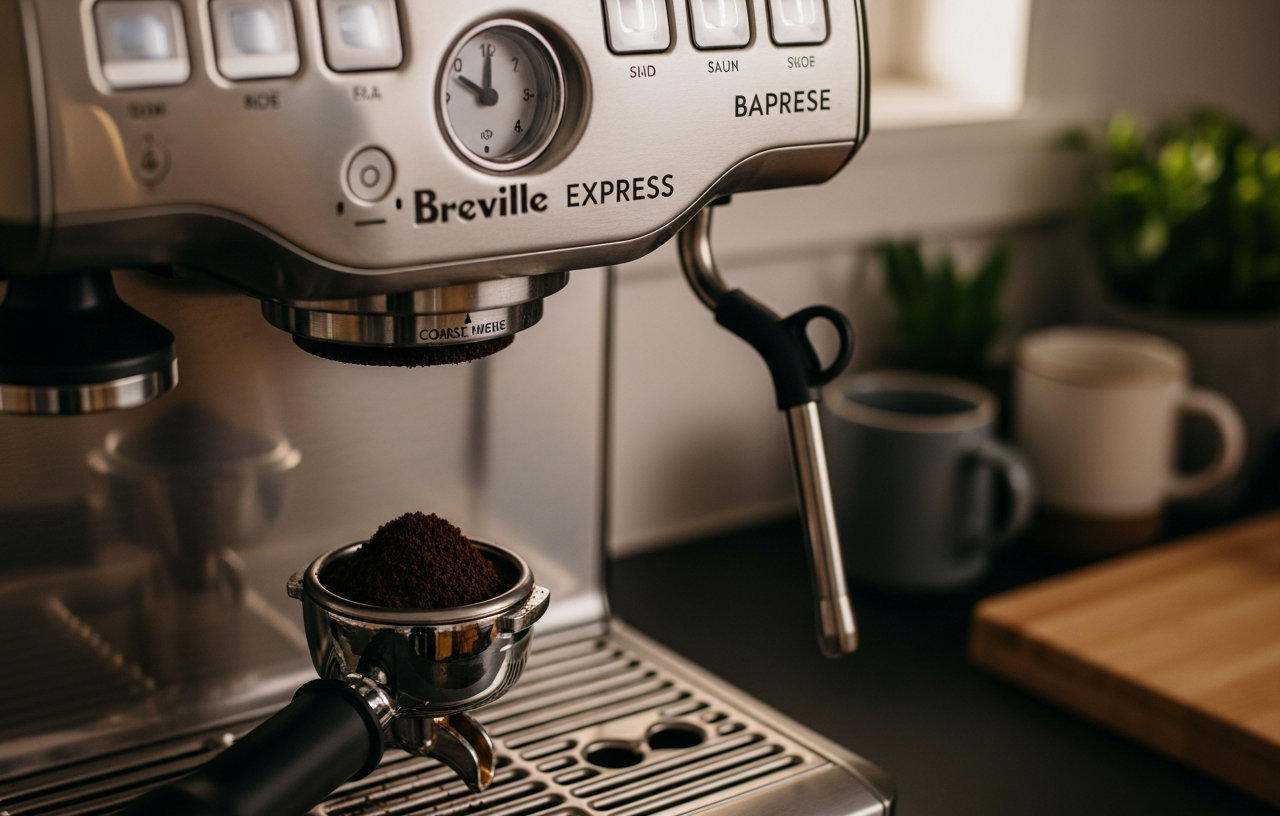
This issue is commonly observed in grinders that have reached the end of their burr life. For instance, a Breville Barista Express grinder might start producing overly coarse grinds even on its finest settings, signaling that the internal burrs are no longer sharp enough to achieve the required fineness for espresso.
If you are experiencing issues with grind consistency, particularly with espresso, our article on Breville Barista Express Grinding Too Coarse: Fixes & Adjustments offers troubleshooting steps.
Increased Grinding Time or Noise
A grinder that takes noticeably longer to process the same amount of coffee or produces a labored, higher-pitched, or unusually loud sound is likely struggling. This often points to dull burrs requiring more effort from the motor to grind beans. The motor may also be showing signs of wear itself, drawing more power and generating more heat as it works harder.
Visible Wear on Burrs
If your grinder allows access to the burrs, a visual inspection can confirm wear. Look for rounded edges, nicks, or chips on the burr teeth. Excessive, caked-on coffee residue that resists normal brushing also indicates a problem, as this buildup prevents the burrs from operating efficiently. For ceramic burrs, any visible cracks or chips mean they need immediate replacement.
Motor Failure
Complete motor failure is often the end of a grinder's life, especially for less expensive models where motor replacement is not cost effective. Signs include the grinder not turning on, working intermittently, or emitting a burning smell during operation. This can be caused by overheating from prolonged use, excessive strain from dull burrs, or electrical component failure.
Extending Your Grinder's Lifespan
Proactive measures can significantly extend the life of your coffee grinder, ensuring consistent performance and delaying the need for replacement.
Regular Cleaning
Make sure to clean your grinder regularly. For daily home use, a quick brush-down of the burrs and grinding chamber every week is advisable. A deeper cleaning, involving partial disassembly to remove stubborn coffee oils and fines, should be performed every 1 to 2 months. Use a stiff brush, a vacuum cleaner with a narrow attachment, and specialized grinder cleaning tablets to remove built-up oils and coffee particles. This prevents friction and reduces strain on the motor.
Avoid Grinding Improper Materials
Only grind roasted coffee beans in your coffee grinder. Never use it for spices, nuts, sugar, or unroasted beans. These materials can be too hard, too oily, or too sticky, leading to burr damage, motor strain, or residue buildup that is difficult to remove. Even small foreign objects like tiny stones, sometimes present in coffee bean bags, can instantly chip or break burrs. Always visually inspect your beans before loading them into the hopper.
Grind in Batches (for some models)
If your grinder's motor tends to overheat or if you are grinding a large quantity of coffee, consider grinding in smaller batches. Running the grinder continuously for extended periods can overtax the motor, especially in entry-level models. Grinding for 30-60 seconds, then allowing a short pause, can help dissipate heat and reduce strain.
Replace Worn Burrs
For many quality burr grinders, the burrs are a replaceable component. This is often the most cost effective way to extend the life of an otherwise functional grinder. Replacement burrs for home grinders typically cost between $20 and $60. Changing burrs can make an old grinder perform like new, restoring grind consistency and reducing motor strain. Consult your grinder's manual for specific instructions on how to access and replace the burrs, or check with the manufacturer for replacement part availability.
Choose Quality Initially
While an upfront investment, purchasing a well-regarded burr grinder from a reputable brand (such as Baratza, Eureka, or Rancilio) will almost always result in a longer-lasting unit. These grinders are built with more durable components, better motors, and often have readily available replacement parts, including burrs. A $200-$300 grinder, though more expensive initially than a $50 blade grinder, offers superior grind quality and a lifespan that can be five to ten times longer, making it a more economical choice in the long run.